mirror of
https://github.com/denisidoro/navi.git
synced 2026-01-24 02:37:06 +00:00
Compare commits
219 commits
| Author | SHA1 | Date | |
|---|---|---|---|

|
b01291e040 | ||

|
820a7b9b31 | ||
|
|
c6da2d934d | ||

|
403f25bc22 | ||
|
|
8f236e9fcf | ||

|
2970b97e6c | ||
|
|
c55e6cdef6 | ||

|
04c99d0db7 | ||
|
|
9dac4fa2ef | ||
|
|
6f009dbc4e | ||
|
|
822b3ea3ba | ||

|
fdbd607132 | ||
|
|
085ee0135b | ||
|
|
d62f8c7e04 | ||

|
a7efad2740 | ||
|
|
fcbd6c3350 | ||
|
|
0076018ada | ||
|
|
023e52d1fb | ||

|
e657f4b6b5 | ||
|
|
2d9d04c6a3 | ||
|
|
445f9be247 | ||
|
|
48fd4db08d | ||
|
|
c409a0f149 | ||
|
|
df8c0ff7b3 | ||
|
|
1c2abfd8e8 | ||
|
|
138b7e0b00 | ||
|
|
9a6fae871a | ||
|
|
d8d0c099ae | ||
|
|
5e268349c2 | ||
|
|
dde73701e5 | ||
|
|
03555ec40c | ||
|
|
9defe4768c | ||
|
|
a24a866ef2 | ||
|
|
9c8e512d36 | ||
|
|
4ea5307c2d | ||
|
|
5989f4c677 | ||
|
|
839d33fbcf | ||
|
|
3e11ff93c1 | ||
|
|
fda4a2d154 | ||
|
|
a1ca7889bb | ||
|
|
64a9c0bf01 | ||
|
|
8b473ccdfe | ||
|
|
1795376062 | ||
|
|
205fc755d5 | ||
|
|
e02fb9e20d | ||
|
|
018378ec93 | ||
|
|
3405582c8c | ||
|
|
790aed326b | ||
|
|
f7669ced21 | ||
|
|
958bcc6538 | ||
|
|
87c85f40c1 | ||
|
|
3d833a0aa9 | ||
|
|
d59bd5ec3d | ||
|
|
3f4726a091 | ||
|
|
a01b892ec4 | ||
|
|
6d52bcd120 | ||
|
|
85ff24ba70 | ||
|
|
60a0a8482e | ||
|
|
577dc08de4 | ||
|
|
6482771e23 | ||
|
|
77b9013a4b | ||
|
|
c35bd94a70 | ||
|
|
2f3889e645 | ||
|
|
6bdc59a460 | ||

|
29d912a524 | ||
|
|
c0898e3aed | ||
|
|
20f8867c57 | ||
|
|
7cec530a7d | ||
|
|
678894c874 | ||
|
|
97ac48d47b | ||
|
|
8169ec4d74 | ||
|
|
fbf4c0165b | ||
|
|
7ccba61bf3 | ||
|
|
d9dc66c446 | ||
|
|
478c240861 | ||
|
|
534006ab42 | ||
|
|
9ddf9e9fd6 | ||
|
|
57830a0252 | ||
|
|
63548f5cf3 | ||

|
6f1bbcf666 | ||
|
|
e4899d9f84 | ||
|
|
211795f8d5 | ||
|
|
259114daa0 | ||
|
|
838527dbbb | ||
|
|
fbc94b0a3e | ||
|
|
d5f1664213 | ||
|
|
16c97d15c6 | ||
|
|
51c474f995 | ||
|
|
a162395826 | ||
|
|
03618b55fd | ||
|
|
0531554816 | ||
|
|
89e71794c6 | ||
|
|
ec3a18cb93 | ||
|
|
2b4a750624 | ||
|
|
e6d39fddd5 | ||
|
|
df979f2047 | ||

|
0dced05ded | ||
|
|
7be6087ba7 | ||
|
|
3e6597a23e | ||
|
|
47c9bbaa62 | ||
|
|
f698ba54e5 | ||
|
|
436278cc8e | ||
|
|
da42bf5d26 | ||
|
|
58d58eafce | ||
|
|
7a2108cb20 | ||
|
|
cc1187e259 | ||
|
|
684e450ef5 | ||
|
|
54b707c201 | ||
|
|
e56ab84dc6 | ||
|
|
2df3f96a2a | ||
|
|
4aee114b01 | ||
|
|
2119921a4e | ||
|
|
de820e01d6 | ||

|
a72ce5937c | ||
|
|
6f82c186a7 | ||
|
|
2bb57a23b8 | ||
|
|
4300b7a6d6 | ||
|
|
7d19bbeb85 | ||
|
|
0e8e5c5af7 | ||
|
|
2d8f5e9c79 | ||
|
|
b297cc0d61 | ||
|
|
f9bc3d2e26 | ||
|
|
9ab374d318 | ||
|
|
90a29ed324 | ||
|
|
4fdd371f68 | ||
|
|
72b0d14589 | ||

|
08e96d0053 | ||
|
|
2a87d5ec08 | ||
|
|
dc59652642 | ||
|
|
5827fc04a2 | ||
|
|
3aeca266a7 | ||
|
|
89850460bf | ||
|
|
2e80251c8f | ||
|
|
94bcd4678b | ||
|
|
70f63237c9 | ||
|
|
e18469516d | ||
|
|
c66e67159f | ||
|
|
01767538f0 | ||
|
|
3c75e3b74a | ||
|
|
6a0c3285b7 | ||
|
|
7c126b6657 | ||
|
|
d8261c4e2d | ||
|
|
abe6d5b112 | ||
|
|
fc60240876 | ||
|
|
4acd555436 | ||
|
|
64f6016d6a | ||
|
|
21b9e32028 | ||
|
|
56e39587eb | ||
|
|
37a2ea7550 | ||
|
|
7187c026cd | ||
|
|
5515367dc8 | ||
|
|
586ad7f0a4 | ||

|
d0353af6b5 | ||
|
|
50444cc6de | ||
|
|
7cbfb7eb18 | ||
|
|
4200050d87 | ||
|
|
734f147a6a | ||
|
|
adc775f37b | ||
|
|
10ddffbe72 | ||
|
|
1060b21019 | ||
|
|
3381c4db6d | ||
|
|
bb1efa4e95 | ||
|
|
f9070c950b | ||

|
a2c5598a01 | ||

|
2f78beaf90 | ||

|
805fe125da | ||
|
|
fd6e8b351d | ||
|
|
7b32a0d45d | ||
|
|
5b6b598e1d | ||
|
|
4534211638 | ||
|
|
0c6684a921 | ||
|
|
31b831317a | ||
|
|
9128f453d2 | ||
|
|
66d05ef9a5 | ||
|
|
a89116c8f2 | ||
|
|
4a8b4b707c | ||
|
|
089be801b2 | ||

|
356add8026 | ||
|
|
8d9c43c1ff | ||

|
cfc15d7476 | ||
|
|
8e2317409c | ||

|
c59af6548e | ||
|
|
e0943c39cf | ||
|
|
4d2e21df14 | ||
|
|
0a1413faa8 | ||

|
afc4883bff | ||
|
|
071969ada0 | ||
|
|
52e90ad8f9 | ||

|
8227e21c83 | ||
|
|
7575ca2435 | ||

|
266368c541 | ||
|
|
78c5aaf9e0 | ||
|
|
d0d56223ce | ||
|
|
d713d501a0 | ||
|
|
4c65d78027 | ||
|
|
5f3d0a4445 | ||
|
|
019540a4f5 | ||
|
|
c4f01310bb | ||

|
f2c7aafc83 | ||
|
|
f1cbed6d07 | ||

|
0220ee0dc4 | ||
|
|
c45b767edd | ||

|
c3d75383f8 | ||
|
|
80e30b508b | ||

|
b5a1ccb338 | ||
|
|
26cdf9f5cd | ||
|
|
a46188783d | ||
|
|
a54d1530ff | ||
|
|
d1baf46046 | ||
|
|
59d7c8997d | ||
|
|
6968a23919 | ||

|
b72a8f9699 | ||
|
|
9e20adeb41 | ||
|
|
e8d4e23c43 | ||
|
|
6692d6ab36 | ||
|
|
fa7215ed5b | ||
|
|
7835f39203 | ||
|
|
19ff052223 | ||
|
|
212ed34bd7 |
69 changed files with 2269 additions and 1412 deletions
7
.github/CODEOWNERS
vendored
7
.github/CODEOWNERS
vendored
|
|
@ -1 +1,8 @@
|
|||
# See: https://docs.github.com/en/repositories/managing-your-repositorys-settings-and-features/customizing-your-repository/about-code-owners
|
||||
|
||||
* @denisidoro
|
||||
.github/* @denisidoro
|
||||
|
||||
shell/navi.plugin.ps1 @alexis-opolka
|
||||
docs/* @alexis-opolka
|
||||
docs/**/* @alexis-opolka
|
||||
|
|
|
|||
54
.github/workflows/cd.yml
vendored
54
.github/workflows/cd.yml
vendored
|
|
@ -4,6 +4,7 @@ on:
|
|||
push:
|
||||
tags:
|
||||
- "*"
|
||||
release:
|
||||
|
||||
jobs:
|
||||
binary:
|
||||
|
|
@ -30,23 +31,42 @@ jobs:
|
|||
- os: macos-latest
|
||||
target: aarch64-apple-darwin
|
||||
steps:
|
||||
- uses: hecrj/setup-rust-action@v1.3.4
|
||||
with:
|
||||
rust-version: stable
|
||||
- uses: actions/checkout@v1
|
||||
- name: Install target
|
||||
id: installtarget
|
||||
run: rustup target add ${{ matrix.target }}
|
||||
- name: Build
|
||||
id: build
|
||||
run: scripts/dot rust release ${{ matrix.target }}
|
||||
### We're checking out the repository at the triggered ref
|
||||
- uses: actions/checkout@v4
|
||||
|
||||
- name: Get the version
|
||||
id: get_version
|
||||
run: echo ::set-output name=VERSION::${GITHUB_REF/refs\/tags\//}
|
||||
run: echo "VERSION=${GITHUB_REF#refs/tags/}" >> $GITHUB_OUTPUT
|
||||
|
||||
- name: Check if release exists
|
||||
id: check_release
|
||||
run: |
|
||||
if gh release view ${{ steps.get_version.outputs.VERSION }} > /dev/null 2>&1; then
|
||||
echo "RELEASE_EXISTS=true" >> $GITHUB_OUTPUT
|
||||
else
|
||||
echo "RELEASE_EXISTS=false" >> $GITHUB_OUTPUT
|
||||
fi
|
||||
env:
|
||||
GH_TOKEN: ${{ secrets.GITHUB_TOKEN }}
|
||||
|
||||
- name: Create release
|
||||
continue-on-error: true
|
||||
if: steps.check_release.outputs.RELEASE_EXISTS == 'false'
|
||||
run: |
|
||||
gh release create ${{ steps.get_version.outputs.VERSION }} \
|
||||
--title "Release ${{ steps.get_version.outputs.VERSION }}" \
|
||||
--notes "Release notes for ${{ steps.get_version.outputs.VERSION }}" \
|
||||
env:
|
||||
GH_TOKEN: ${{ secrets.GITHUB_TOKEN }}
|
||||
|
||||
- name: Build
|
||||
id: build
|
||||
run: scripts/release ${{ matrix.target }}
|
||||
|
||||
- name: Upload binaries to release
|
||||
uses: svenstaro/upload-release-action@v1-release
|
||||
with:
|
||||
repo_token: ${{ secrets.GITHUB_TOKEN }}
|
||||
file: target/tar/navi.${{ steps.build.outputs.EXTENSION }}
|
||||
tag: ${{ github.ref }}
|
||||
asset_name: navi-${{ steps.get_version.outputs.VERSION }}-${{ matrix.target }}.${{ steps.build.outputs.EXTENSION }}
|
||||
run: |
|
||||
cd ./target/${{ matrix.target }}/release/
|
||||
cp navi.${{ steps.build.outputs.EXTENSION }} navi-${{ steps.get_version.outputs.VERSION }}-${{ matrix.target }}.${{ steps.build.outputs.EXTENSION }}
|
||||
gh release upload ${{ steps.get_version.outputs.VERSION }} navi-${{ steps.get_version.outputs.VERSION }}-${{ matrix.target }}.${{ steps.build.outputs.EXTENSION }}
|
||||
env:
|
||||
GH_TOKEN: ${{ github.token }}
|
||||
|
|
|
|||
5
.github/workflows/ci.yml
vendored
5
.github/workflows/ci.yml
vendored
|
|
@ -4,7 +4,10 @@
|
|||
# for simplicity we are compiling and testing everything on the Ubuntu environment only.
|
||||
# For multi-OS testing see the `cross.yml` workflow.
|
||||
|
||||
on: [push]
|
||||
on:
|
||||
push:
|
||||
pull_request:
|
||||
branches: [master]
|
||||
|
||||
name: CI
|
||||
|
||||
|
|
|
|||
901
Cargo.lock
generated
901
Cargo.lock
generated
File diff suppressed because it is too large
Load diff
25
Cargo.toml
25
Cargo.toml
|
|
@ -1,7 +1,7 @@
|
|||
[package]
|
||||
name = "navi"
|
||||
version = "2.23.0"
|
||||
authors = ["Denis Isidoro <denis_isidoro@live.com>"]
|
||||
version = "2.25.0-beta1"
|
||||
authors = ["Denis Isidoro <denis_isidoro@live.com>", "Alexis Opolka <alexis.opolka@protonmail.com>"]
|
||||
edition = "2021"
|
||||
description = "An interactive cheatsheet tool for the command-line"
|
||||
homepage = "https://github.com/denisidoro/navi"
|
||||
|
|
@ -24,24 +24,21 @@ regex = { version = "1.7.3", default-features = false, features = [
|
|||
"unicode-perl",
|
||||
] }
|
||||
clap = { version = "4.2.1", features = ["derive", "cargo"] }
|
||||
crossterm = "0.26.1"
|
||||
crossterm = "0.28.0"
|
||||
lazy_static = "1.4.0"
|
||||
etcetera = "0.7.1"
|
||||
etcetera = "0.10.0"
|
||||
walkdir = "2.3.3"
|
||||
shellwords = "1.1.0"
|
||||
anyhow = "1.0.70"
|
||||
thiserror = "1.0.40"
|
||||
strip-ansi-escapes = "0.1.1"
|
||||
thiserror = "2.0.0"
|
||||
strip-ansi-escapes = "0.2.0"
|
||||
edit = "0.1.4"
|
||||
remove_dir_all = "0.8.2"
|
||||
serde = { version = "1.0.159", features = ["derive"] }
|
||||
remove_dir_all = "1.0.0"
|
||||
serde = { version = "1.0.219", features = ["derive"] }
|
||||
serde_yaml = "0.9.21"
|
||||
dns_common_derive = { version = "0.2.1" }
|
||||
dns_common = { version = "0.2.1", default-features = false, features = [
|
||||
"yaml",
|
||||
"json",
|
||||
] }
|
||||
unicode-width = "0.1.10"
|
||||
unicode-width = "0.2.0"
|
||||
tracing = "0.1.41"
|
||||
tracing-subscriber = { version = "0.3.19", features = ["env-filter"] }
|
||||
|
||||
[target.'cfg(windows)'.dependencies]
|
||||
dunce = "1"
|
||||
|
|
|
|||
66
README.md
66
README.md
|
|
@ -13,7 +13,7 @@ An interactive cheatsheet tool for the command-line.
|
|||
- it will make you type less
|
||||
- it will teach you new one-liners
|
||||
|
||||
It uses [fzf](https://github.com/junegunn/fzf), [skim](https://github.com/lotabout/skim), or [Alfred](https://www.alfredapp.com/) under the hood and it can be either used as a command or as a shell widget (_à la_ Ctrl-R).
|
||||
It uses [fzf](https://github.com/junegunn/fzf) or [skim](https://github.com/lotabout/skim) under the hood and it can be either used as a command or as a shell widget (_à la_ Ctrl-R).
|
||||
|
||||
## Table of contents
|
||||
|
||||
|
|
@ -23,23 +23,21 @@ It uses [fzf](https://github.com/junegunn/fzf), [skim](https://github.com/lotabo
|
|||
- [Cheatsheet syntax](#cheatsheet-syntax)
|
||||
- [Customization](#customization)
|
||||
- [More info](#more-info)
|
||||
- [Trying out online](#trying-out-online)
|
||||
- [Similar tools](#similar-tools)
|
||||
- [Etymology](#etymology)
|
||||
|
||||
## Installation
|
||||
|
||||
**navi** can be installed with the following package managers:
|
||||
|
||||
[](https://repology.org/project/navi/versions)
|
||||
|
||||
The recommended way to install **navi** is by running:
|
||||
|
||||
```sh
|
||||
brew install navi
|
||||
```
|
||||
|
||||
If `brew` isn't available, you can check [alternative install instructions](docs/installation.md).
|
||||
> [!NOTE]
|
||||
> For more details on how to install Navi, see [docs/installation](docs/installation/README.md)
|
||||
|
||||
**navi** can be installed with the following package managers:
|
||||
|
||||
[](https://repology.org/project/navi/versions)
|
||||
|
||||
## Usage
|
||||
|
||||
|
|
@ -47,28 +45,27 @@ There are multiple ways to use **navi**:
|
|||
|
||||
- by typing `navi` in the terminal
|
||||
- pros: you have access to all possible subcommands and flags
|
||||
- as a [shell widget](docs/installation.md#installing-the-shell-widget) for the terminal
|
||||
- as a [shell widget](docs/widgets/README.md#installing-the-shell-widget) for the terminal
|
||||
- pros: the shell history is correctly populated (i.e. with the actual command you ran instead of `navi`) and you can edit the command as you wish before executing it
|
||||
- as a [Tmux widget](docs/tmux.md)
|
||||
- as a [Tmux widget](docs/widgets/howto/TMUX.md)
|
||||
- pros: you can use your cheatsheets in any command-line app even in SSH sessions
|
||||
- as [aliases](docs/aliases.md)
|
||||
- as a [shell scripting tool](docs/shell_scripting.md)
|
||||
- as an [Alfred workflow](docs/alfred.md)
|
||||
- as [aliases](docs/cheatsheet/syntax/README.md#aliases)
|
||||
- as a [shell scripting tool](docs/usage/shell-scripting/README.md)
|
||||
|
||||
In particular, check [these instructions](https://github.com/denisidoro/navi/issues/491) if you want to replicate what's shown in the demo above.
|
||||
|
||||
## Cheatsheet repositories
|
||||
|
||||
Running **navi** for the first time will help you download and manage cheatsheets. By default, they are soted at `~/.local/share/navi/cheats/`.
|
||||
Running **navi** for the first time will help you download and manage cheatsheets. By default, they are stored at `~/.local/share/navi/cheats/`.
|
||||
|
||||
You can also:
|
||||
|
||||
- [browse through featured cheatsheets](docs/cheatsheet_repositories.md#browsing-through-cheatsheet-repositories)
|
||||
- [import cheatsheets from git repositories](docs/cheatsheet_repositories.md#importing-cheatsheets)
|
||||
- [write your own cheatsheets](#cheatsheet-syntax) (and [share them](docs/cheatsheet_repositories.md#submitting-cheatsheets), if you want)
|
||||
- [use cheatsheets from other tools](docs/cheatsheet_repositories.md#using-cheatsheets-from-other-tools), such as [tldr](https://github.com/tldr-pages/tldr) and [cheat.sh](https://github.com/chubin/cheat.sh)
|
||||
- [auto-update repositories](docs/cheatsheet_repositories.md#auto-updating-repositories)
|
||||
- auto-export cheatsheets from your [TiddlyWiki](https://tiddlywiki.com/) notes using a [TiddlyWiki plugin](https://bimlas.gitlab.io/tw5-navi-cheatsheet/)
|
||||
- [browse through featured cheatsheets](docs/usage/commands/repo/README.md#browsing-through-cheatsheet-repositories)
|
||||
- [import cheatsheets from git repositories](docs/cheatsheet/repositories/README.md#importing-cheatsheet-repositories)
|
||||
- [write your own cheatsheets](#cheatsheet-syntax) (and [share them](docs/cheatsheet/repositories/README.md#submitting-cheatsheets), if you want)
|
||||
- [use cheatsheets from other tools](docs/cheatsheet/README.md#using-cheatsheets-from-other-tools), such as [tldr](https://github.com/tldr-pages/tldr) and [cheat.sh](https://github.com/chubin/cheat.sh)
|
||||
- [auto-update repositories](docs/cheatsheet/repositories/README.md#auto-updating-repositories)
|
||||
- auto-export cheatsheets from your [TiddlyWiki](https://tiddlywiki.com/) notes using a [TiddlyWiki plugin](https://bimlas.github.io/tw5-navi-cheatsheet/)
|
||||
|
||||
## Cheatsheet syntax
|
||||
|
||||
|
|
@ -83,17 +80,17 @@ git checkout <branch>
|
|||
$ branch: git branch | awk '{print $NF}'
|
||||
```
|
||||
|
||||
The full syntax and examples can be found [here](docs/cheatsheet_syntax.md).
|
||||
The full syntax and examples can be found [here](docs/cheatsheet/syntax/README.md).
|
||||
|
||||
## Customization
|
||||
|
||||
You can:
|
||||
|
||||
- [setup your own config file](docs/config_file.md)
|
||||
- [set custom paths for your config file and cheat sheets](docs/paths_and_env_vars.md)
|
||||
- [change colors](docs/customization.md#changing-colors)
|
||||
- [resize columns](docs/customization.md#resizing-columns)
|
||||
- [change how search is performed](docs/customization.md#overriding-fzf-options)
|
||||
- [setup your own config file](docs/configuration/README.md)
|
||||
- [set custom paths for your config file and cheat sheets](docs/configuration/README.md#paths-and-environment-variables)
|
||||
- [change colors](docs/configuration/README.md#changing-colors)
|
||||
- [resize columns](docs/configuration/README.md#resizing-columns)
|
||||
- [change how search is performed](docs/configuration/README.md#overriding-fzf-options)
|
||||
|
||||
## More info
|
||||
|
||||
|
|
@ -103,17 +100,4 @@ Please run the following command to read more about all possible options:
|
|||
navi --help
|
||||
```
|
||||
|
||||
In addition, please check the [/docs](docs) folder.
|
||||
|
||||
## Similar tools
|
||||
|
||||
There are many similar projects out there ([beavr](https://github.com/denisidoro/beavr), [bro](https://github.com/hubsmoke/bro), [cheat](https://github.com/cheat/cheat), [cheat.sh](https://github.com/chubin/cheat.sh), [cmdmenu](https://github.com/amacfie/cmdmenu), [eg](https://github.com/srsudar/eg), [how2](https://github.com/santinic/how2), [howdoi](https://github.com/gleitz/howdoi), [Command Line Interface Pages](https://github.com/command-line-interface-pages) and [tldr](https://github.com/tldr-pages/tldr), to name a few).
|
||||
|
||||
They are excellent projects, but **navi** remains unique in the following ways:
|
||||
|
||||
- it's natural to write cheatsheets tailored to your needs
|
||||
- arguments are neither hardcoded nor a simple template
|
||||
|
||||
## Etymology
|
||||
|
||||
[Navi](https://zelda.gamepedia.com/Navi) is a character from [The Legend of Zelda Ocarina of Time](https://zelda.gamepedia.com/Ocarina_of_Time) that provides [Link](https://zelda.gamepedia.com/Link) with a variety of clues to help him solve puzzles and make progress in his quest.
|
||||
In addition, please check the [/docs](docs) folder or the website.
|
||||
|
|
|
|||
41
docs/README.md
Normal file
41
docs/README.md
Normal file
|
|
@ -0,0 +1,41 @@
|
|||
# Navi <img src="https://raw.githubusercontent.com/denisidoro/navi/master/assets/icon.png" alt="icon" height="28px"/> [](https://github.com/denisidoro/navi/actions) 
|
||||
|
||||
## Table of Contents
|
||||
|
||||
<!-- TOC -->
|
||||
* [Navi <img src="https://raw.githubusercontent.com/denisidoro/navi/master/assets/icon.png" alt="icon" height="28px"/>  ](#navi-img-srchttpsrawgithubusercontentcomdenisidoronavimasterassetsiconpng-alticon-height28px--)
|
||||
* [Table of Contents](#table-of-contents)
|
||||
* [About](#about)
|
||||
* [Navi Pros](#navi-pros)
|
||||
* [Similar tools](#similar-tools)
|
||||
* [Etymology](#etymology)
|
||||
<!-- TOC -->
|
||||
|
||||
## About
|
||||
|
||||
Navi is an interactive cheatsheet tool for the command-line.\
|
||||
It allows you to browse through cheatsheets (that you may write yourself or download from maintainers) and execute commands.
|
||||
|
||||
[](https://asciinema.org/a/406461)
|
||||
|
||||
It uses [fzf](https://github.com/junegunn/fzf), [skim](https://github.com/lotabout/skim), or [Alfred](https://www.alfredapp.com/) under the hood and it can be either used as a command or as a shell widget (_à la_ Ctrl-R).
|
||||
|
||||
## Navi Pros
|
||||
|
||||
- it will spare you from knowing CLIs by heart
|
||||
- it will spare you from copy-pasting output from intermediate commands
|
||||
- it will make you type less
|
||||
- it will teach you new one-liners
|
||||
|
||||
## Similar tools
|
||||
|
||||
There are many similar projects out there ([beavr](https://github.com/denisidoro/beavr), [bro](https://github.com/hubsmoke/bro), [cheat](https://github.com/cheat/cheat), [cheat.sh](https://github.com/chubin/cheat.sh), [cmdmenu](https://github.com/amacfie/cmdmenu), [eg](https://github.com/srsudar/eg), [how2](https://github.com/santinic/how2), [howdoi](https://github.com/gleitz/howdoi), [Command Line Interface Pages](https://github.com/command-line-interface-pages) and [tldr](https://github.com/tldr-pages/tldr), to name a few).
|
||||
|
||||
They are excellent projects, but **navi** remains unique in the following ways:
|
||||
|
||||
- it's natural to write cheatsheets tailored to your needs
|
||||
- arguments are neither hardcoded nor a simple template
|
||||
|
||||
## Etymology
|
||||
|
||||
[Navi](https://zelda.gamepedia.com/Navi) is a character from [The Legend of Zelda Ocarina of Time](https://zelda.gamepedia.com/Ocarina_of_Time) that provides [Link](https://zelda.gamepedia.com/Link) with a variety of clues to help him solve puzzles and make progress in his quest.
|
||||
64
docs/cheatsheet/README.md
Normal file
64
docs/cheatsheet/README.md
Normal file
|
|
@ -0,0 +1,64 @@
|
|||
# Navi cheatsheets
|
||||
|
||||
<!-- TOC -->
|
||||
* [Navi cheatsheets](#navi-cheatsheets)
|
||||
* [Working with `cheatsheet repositories`](#working-with-cheatsheet-repositories)
|
||||
* [Manually adding cheatsheets to navi](#manually-adding-cheatsheets-to-navi)
|
||||
* [Choosing between queries and selection with variables](#choosing-between-queries-and-selection-with-variables)
|
||||
* [Using cheatsheets from other tools](#using-cheatsheets-from-other-tools)
|
||||
<!-- TOC -->
|
||||
|
||||
## Working with `cheatsheet repositories`
|
||||
|
||||
Navi works best with what we call `cheatsheet repositories`, for more details see [cheatsheet/repositories](repositories/README.md).
|
||||
|
||||
## Manually adding cheatsheets to navi
|
||||
|
||||
If you don't want to work with `cheatsheet repositories`, you can manually add your
|
||||
cheatsheets to navi by putting them into the `cheats_path` of your platform.
|
||||
|
||||
You can find out your path using the [info](/docs/usage/commands/info/README.md) subcommands
|
||||
but a quick working command to go there would be:
|
||||
|
||||
- Before 2.25.0
|
||||
|
||||
```bash
|
||||
cd $(navi info cheats-path)
|
||||
```
|
||||
|
||||
- After 2.25.0
|
||||
|
||||
```bash
|
||||
cd $(navi info default-cheats-path)
|
||||
```
|
||||
|
||||
## Choosing between queries and selection with variables
|
||||
|
||||
Navi lets you use different methods to fill a variable value, when prompted.
|
||||
|
||||
| Keyboard key | Preference |
|
||||
|:------------------:|:--------------------------:|
|
||||
| <kbd> tab </kbd> | The query is preferred |
|
||||
| <kbd> enter </kbd> | The selection is preferred |
|
||||
|
||||
It means if you enter the <kbd> tab </kbd> key, navi will let you enter the value.
|
||||
|
||||
## Using cheatsheets from other tools
|
||||
|
||||
> [!WARNING]
|
||||
> Navi **DOESN'T SUPPORT** as of now importing cheatsheets from other tools
|
||||
> but is able to **work with** TLDR and Cheat.sh.
|
||||
|
||||
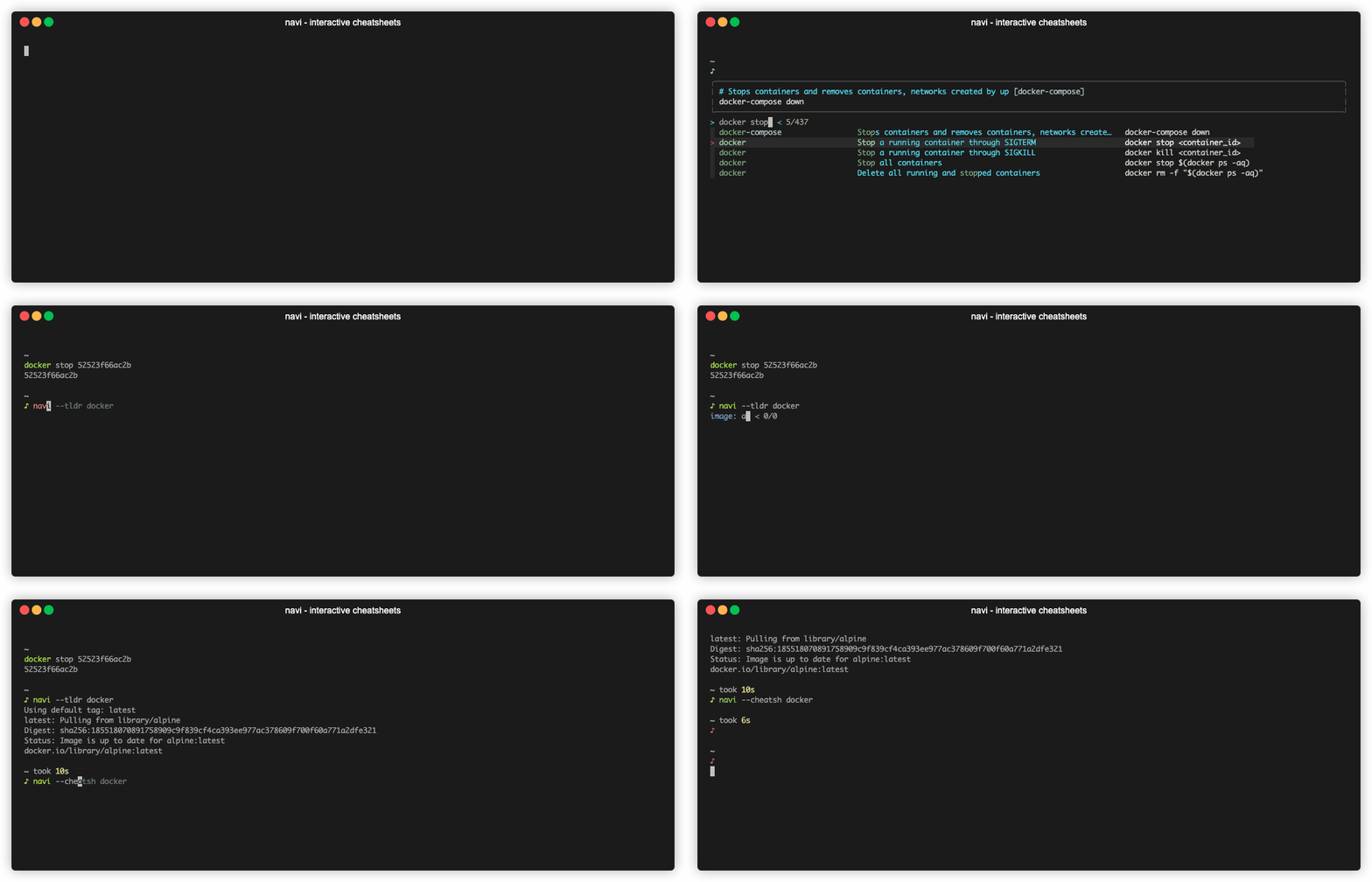
|
||||
|
||||
You can use cheatsheets from [tldr](https://github.com/tldr-pages/tldr) by running:
|
||||
|
||||
```sh
|
||||
navi --tldr <query>
|
||||
```
|
||||
|
||||
You can use cheatsheets from [cheat.sh](https://github.com/chubin/cheat.sh) by running:
|
||||
|
||||
```sh
|
||||
navi --cheatsh <query>
|
||||
```
|
||||
1
docs/cheatsheet/getting-started/README.md
Normal file
1
docs/cheatsheet/getting-started/README.md
Normal file
|
|
@ -0,0 +1 @@
|
|||
# Cheatsheets - Getting started
|
||||
63
docs/cheatsheet/repositories/README.md
Normal file
63
docs/cheatsheet/repositories/README.md
Normal file
|
|
@ -0,0 +1,63 @@
|
|||
# Cheatsheet repositories
|
||||
|
||||
<!-- TOC -->
|
||||
* [Cheatsheet repositories](#cheatsheet-repositories)
|
||||
* [About](#about)
|
||||
* [Importing cheatsheet repositories](#importing-cheatsheet-repositories)
|
||||
* [Submitting cheatsheets](#submitting-cheatsheets)
|
||||
* [Auto-updating repositories](#auto-updating-repositories)
|
||||
<!-- TOC -->
|
||||
|
||||
## About
|
||||
|
||||
Navi lets you work with what we call `cheatsheet repositories`, they are git repositories
|
||||
and mainly consists of `.cheat` files.
|
||||
|
||||
This page is dedicated to the information you might need to work with `cheatsheet repositories`.
|
||||
|
||||
## Importing cheatsheet repositories
|
||||
|
||||
You can import `cheatsheet repositories` with the `repo add` subcommand.\
|
||||
See [/docs/usage/commands/repo](/docs/usage/commands/repo/README.md#importing-cheatsheet-repositories) for more details.
|
||||
|
||||
## Submitting cheatsheets
|
||||
|
||||
The featured repository for cheatsheets is [denisidoro/cheats](https://github.com/denisidoro/cheats),
|
||||
feel free to open a PR[^1] there for me to include your contributions.
|
||||
|
||||
In order to add your own repository as a featured cheatsheet repo, please [edit this file](https://github.com/denisidoro/cheats/edit/master/featured_repos.txt) and open a PR[^1].
|
||||
|
||||
## Auto-updating repositories
|
||||
|
||||
Right now, **navi** doesn't have support for auto-updating out of the box.
|
||||
However, you can achieve this by using `git` and `crontab`.
|
||||
|
||||
- First make sure you cloned your repo using `git` to the correct folder:
|
||||
|
||||
```sh
|
||||
user="<user>"
|
||||
repo="<repo>"
|
||||
git clone "https://github.com/${user}/${repo}" "$(navi info cheats-path)/${user}__${repo}"
|
||||
```
|
||||
|
||||
- Then, add a cron job:
|
||||
|
||||
```sh
|
||||
crontab -e
|
||||
*/0 11 * * * bash -c 'cd "$(/usr/local/bin/navi info cheats-path)/<user>__<repo>" && /usr/local/bin/git pull -q origin master'
|
||||
```
|
||||
|
||||
> [!NOTE]
|
||||
> Please note the cron job above is just an example **AND** you should edit it accordingly:
|
||||
>
|
||||
>- In this example, the cron job is triggered every day at 11am.
|
||||
>
|
||||
> You might want to check out [crontab guru](https://crontab.guru/) regarding crontab.
|
||||
>
|
||||
>- The full paths to `navi` and `git` may differ in your setup.
|
||||
>
|
||||
> Check their actual values using `which` as `which <program>`.
|
||||
>
|
||||
>- Don't forget to replace `<user>__<repo>` with the actual folder name
|
||||
|
||||
[^1]: A *PR* is short for Pull Request
|
||||
248
docs/cheatsheet/syntax/README.md
Normal file
248
docs/cheatsheet/syntax/README.md
Normal file
|
|
@ -0,0 +1,248 @@
|
|||
# The syntax of a Navi cheatsheet
|
||||
|
||||
<!-- TOC -->
|
||||
* [The syntax of a Navi cheatsheet](#the-syntax-of-a-navi-cheatsheet)
|
||||
* [Syntax overview](#syntax-overview)
|
||||
* [Variables](#variables)
|
||||
* [Advanced variable options](#advanced-variable-options)
|
||||
* [Variable dependency](#variable-dependency)
|
||||
* [Implicit dependencies](#implicit-dependencies)
|
||||
* [Explicit dependencies](#explicit-dependencies)
|
||||
* [Variable as multiple arguments](#variable-as-multiple-arguments)
|
||||
* [Extending cheats](#extending-cheats)
|
||||
* [Multiline commands/snippets](#multiline-commandssnippets)
|
||||
* [Aliases](#aliases)
|
||||
<!-- TOC -->
|
||||
|
||||
## Syntax overview
|
||||
|
||||
Cheats are described in cheatsheet files.\
|
||||
A cheatsheet is a file that has a `.cheat` or `.cheat.md` extension and looks like this:
|
||||
|
||||
```sh
|
||||
% git, code
|
||||
|
||||
# Change branch
|
||||
git checkout <branch>
|
||||
|
||||
$ branch: git branch | awk '{print $NF}'
|
||||
```
|
||||
|
||||
A cheatsheet can have the following elements:
|
||||
|
||||
| Element | Syntax | Description |
|
||||
|:--------------------------------:|:------:|:----------------------------------------------------------------------------------------------------------------------------------------------------------------------------------------:|
|
||||
| Tags as cheat titles | `%` | Lines starting with this character are considered the start of a new cheat command and should contain tags. |
|
||||
| Cheat Description | `#` | Lines starting with this character should be the description of the cheat you're writing. |
|
||||
| Cheat Comments (or Metacomments) | `;` | Lines starting with this character will be ignored by navi but they can be great as editor's comments. |
|
||||
| Pre-defined variables | `$` | Lines starting with this character should contain commands that generate a list of possible values. <br/> <br/> :information_source: See [#variables](#variables) for more details. |
|
||||
| Extended cheats | `@` | Lines starting with this character should contain tags associated to other defined cheats. <br/> <br/> :information_source: See [#extending-cheats](#extending-cheats) for more details. |
|
||||
| Executable commands | N/A | All other non-empty lines are considered as executable commands. |
|
||||
|
||||
> [!TIP]
|
||||
> If you are editing cheatsheets in Visual Studio Code, you could enable syntax highlighting
|
||||
> by installing this extension: [@yanivmo/navi-cheatsheet-language](https://marketplace.visualstudio.com/items?itemName=yanivmo.navi-cheatsheet-language).
|
||||
|
||||
## Variables
|
||||
|
||||
Variables are defined with brackets inside executable commands (e.g. `<branch>`).\
|
||||
Variable names should only include alphanumeric characters and `_`.
|
||||
|
||||
You can show suggestions by using the Pre-defined variable lines (i.e. lines starting with`$`).\
|
||||
Otherwise, the user will be able to type any value for it.
|
||||
|
||||
### Advanced variable options
|
||||
|
||||
For Pre-Defined variable lines, you can use `---` to customize the behavior of `fzf`
|
||||
or how the value is going to be used.
|
||||
|
||||
Below are examples of such customization:
|
||||
|
||||
- We define what column to use, the number of header lines and a delimiter between values.
|
||||
|
||||
```sh
|
||||
# This will pick the 3rd column and use the first line as header
|
||||
docker rmi <image_id>
|
||||
|
||||
$ image_id: docker images --- --column 3 --header-lines 1 --delimiter '\s\s+'
|
||||
```
|
||||
|
||||
- We modify the output values of a command
|
||||
|
||||
```shell
|
||||
# Even though "false/true" is displayed, this will print "0/1"
|
||||
echo <mapped>
|
||||
|
||||
$ mapped: echo 'false true' | tr ' ' '\n' --- --map "grep -q t && echo 1 || echo 0"
|
||||
```
|
||||
|
||||
|
||||
The supported parameters are:
|
||||
|
||||
| Parameter | Description |
|
||||
|:------------------------|:------------------------------------------------------------------------------------------|
|
||||
| `--column <number>` | `<number>` is the column number to extract from the result. |
|
||||
| `--map <bash_code>` | **_[EXPERIMENTAL]_** `<bash_code>` is a map function to apply to the variable value. |
|
||||
| `--prevent-extra` | **_[EXPERIMENTAL]_** This parameter will limit the user to select one of the suggestions. |
|
||||
| `--fzf-overrides <arg>` | **_[EXPERIMENTAL]_** `<arg>` is an arbitrary argument to override `fzf` behaviour. |
|
||||
| `--expand` | **_[EXPERIMENTAL]_** This parameter will convert each line into a separate argument. |
|
||||
|
||||
|
||||
In addition, it's possible to forward the following parameters to `fzf`:
|
||||
|
||||
| Parameter forwarded to `fzf` |
|
||||
|:-----------------------------|
|
||||
| `--multi` |
|
||||
| `--header-lines <number>` |
|
||||
| `--delimiter <regex>` |
|
||||
| `--query <text>` |
|
||||
| `--filter <text>` |
|
||||
| `--header <text>` |
|
||||
| `--preview <bash_code>` |
|
||||
| `--preview-window <text>` |
|
||||
|
||||
### Variable dependency
|
||||
|
||||
Pre-Defined variables can refer other pre-defined variables in two different ways, an implicit and explicit way.
|
||||
|
||||
#### Implicit dependencies
|
||||
|
||||
An implicit dependency is when you refer another variable with the same syntax used in
|
||||
executable commands (i.e. `<variable>`).
|
||||
|
||||
Below is an example of using implicit dependencies to construct a path:
|
||||
|
||||
```sh
|
||||
# Should print /my/pictures/wallpapers
|
||||
echo "<wallpaper_folder>"
|
||||
|
||||
$ pictures_folder: echo "/my/pictures"
|
||||
$ wallpaper_folder: echo "<pictures_folder>/wallpapers"
|
||||
```
|
||||
|
||||
#### Explicit dependencies
|
||||
|
||||
An explicit dependency is when you prepend a dollar sign (i.e. `$`) to the variable name.
|
||||
|
||||
Below is an example of using explicit dependencies to give multiple choices:
|
||||
|
||||
```sh
|
||||
# If you select "hello" for <x>, the possible values of <y> will be "hello foo" and "hello bar"
|
||||
echo <x> <y>
|
||||
|
||||
# If you want to ignore the contents of <x> and only print <y>
|
||||
: <x>; echo <y>
|
||||
|
||||
$ x: echo "hello hi" | tr ' ' '\n'
|
||||
$ y: echo "$x foo;$x bar" | tr ';' '\n'
|
||||
```
|
||||
|
||||
### Variable as multiple arguments
|
||||
|
||||
Variables can have multiple arguments,
|
||||
below is an example of using multiple arguments to cat multiple files at the same time.
|
||||
|
||||
```sh
|
||||
# This will result into: cat "file1.json" "file2.json"
|
||||
cat <jsons>
|
||||
|
||||
$ jsons: find . -iname '*.json' -type f -print --- --multi --expand
|
||||
```
|
||||
|
||||
## Extending cheats
|
||||
|
||||
Navi allows you to extend a cheat context with `Extended cheats` lines (i.e. starting with `@`).\
|
||||
If you put the same tags from another cheat, you will be able to share the same context and will
|
||||
be able to use the same variables, for example.
|
||||
|
||||
```sh
|
||||
% dirs, common
|
||||
|
||||
$ pictures_folder: echo "/my/pictures"
|
||||
|
||||
% wallpapers
|
||||
@ dirs, common
|
||||
|
||||
# Should print /my/pictures/wallpapers
|
||||
echo "<pictures_folder>/wallpapers"
|
||||
|
||||
% screenshots
|
||||
@ dirs, common
|
||||
|
||||
# Should print /my/pictures/screenshots
|
||||
echo "<pictures_folder>/screenshots"
|
||||
```
|
||||
|
||||
## Multiline commands/snippets
|
||||
|
||||
Commands can be multiline, we call them snippets.
|
||||
|
||||
- You can write them as follows:
|
||||
|
||||
```sh
|
||||
% bash, foo
|
||||
|
||||
# This will output "foo\nyes"
|
||||
echo foo
|
||||
true \
|
||||
&& echo yes \
|
||||
|| echo no
|
||||
```
|
||||
|
||||
- Or, you can place them inside Markdown code blocks, delimited by triple backticks (```` ``` ````):
|
||||
|
||||
````sh
|
||||
% git, code
|
||||
|
||||
# Change branch
|
||||
```sh
|
||||
git checkout <branch>
|
||||
```
|
||||
|
||||
$ branch: git branch | awk '{print $NF}'
|
||||
````
|
||||
|
||||
|
||||
## Aliases
|
||||
|
||||
**navi** doesn't have support for aliases as first-class citizens at the moment.\
|
||||
However, it is easy to create aliases using **navi** + a few conventions.
|
||||
|
||||
> [!CAUTION]
|
||||
> The examples below will only work if you use **navi** as a shell scripting tool.
|
||||
>
|
||||
> See [/docs/usage/shell-scripting](/docs/usage/shell-scripting/README.md) for more details.
|
||||
|
||||
For example, suppose you decide to end some of your commands with `:: <some_alias>`:
|
||||
|
||||
```bash
|
||||
% aliases
|
||||
|
||||
# This is one command :: el
|
||||
echo lorem ipsum
|
||||
|
||||
# This is another command :: ef
|
||||
echo foo bar
|
||||
```
|
||||
|
||||
You could add something similar to this in your `.bashrc`-like file:
|
||||
|
||||
```bash
|
||||
navialias() {
|
||||
navi --query ":: $1" --best-match
|
||||
}
|
||||
|
||||
alias el="navialias el"
|
||||
alias ef="navialias ef"
|
||||
```
|
||||
|
||||
If you don't want to use these conventions, you can even add full comments in your aliases:
|
||||
|
||||
```bash
|
||||
navibestmatch() {
|
||||
navi --query "$1" --best-match
|
||||
}
|
||||
|
||||
alias el="navibestmatch 'This is one command'"
|
||||
alias ef="navibestmatch 'This is another command'"
|
||||
```
|
||||
|
|
@ -1,75 +0,0 @@
|
|||
## Cheatsheet repositories
|
||||
|
||||
- [Browsing through cheatsheet repositories](#browsing-through-cheatsheet-repositories)
|
||||
- [Importing cheatsheets](#importing-cheatsheets)
|
||||
- [Adding your own cheatsheets](#adding-your-own-cheatsheets)
|
||||
- [Submitting cheatsheets](#submitting-cheatsheets)
|
||||
- [Using cheatsheets from other tools](#using-cheatsheets-from-other-tools)
|
||||
- [Auto-updating repositories](#auto-updating-repositories)
|
||||
|
||||
### Browsing through cheatsheet repositories
|
||||
|
||||
You can find cheatsheet repositories with:
|
||||
|
||||
```sh
|
||||
navi repo browse
|
||||
```
|
||||
|
||||
### Importing cheatsheets
|
||||
|
||||
You can import cheatsheets from any git repository that includes `.cheat` files:
|
||||
|
||||
```sh
|
||||
navi repo add https://github.com/denisidoro/cheats
|
||||
```
|
||||
|
||||
### Adding your own cheatsheets
|
||||
|
||||
You can either start a git repo with cheatsheets and import it as described above or you can add them directly to [data_dir](https://github.com/soc/dirs-rs#Features)`/navi`.
|
||||
|
||||
### Submitting cheatsheets
|
||||
|
||||
The main repository for cheatsheets is [denisidoro/cheats](https://github.com/denisidoro/cheats). Feel free to open a PR there for me to include your contributions.
|
||||
|
||||
In order to add your own repository as a featured cheatsheet repo, please [edit this file](https://github.com/denisidoro/cheats/edit/master/featured_repos.txt). This list will be displayed when `navi repo browse` is run.
|
||||
|
||||
### Using cheatsheets from other tools
|
||||
|
||||

|
||||
|
||||
You can use cheatsheets from [tldr](https://github.com/tldr-pages/tldr) by running:
|
||||
|
||||
```sh
|
||||
navi --tldr <query>
|
||||
```
|
||||
|
||||
You can use cheatsheets from [cheat.sh](https://github.com/chubin/cheat.sh) by running:
|
||||
|
||||
```sh
|
||||
navi --cheatsh <query>
|
||||
```
|
||||
|
||||
### Auto-updating repositories
|
||||
|
||||
Right now, **navi** doesn't have support for auto-updating out of the box. However, you can achieve this by using `git` and `crontab`.
|
||||
|
||||
First make sure you cloned your repo using `git` to the correct folder:
|
||||
|
||||
```sh
|
||||
user="<user>"
|
||||
repo="<repo>"
|
||||
git clone "https://github.com/${user}/${repo}" "$(navi info cheats-path)/${user}__${repo}"
|
||||
```
|
||||
|
||||
Then, add a cron job:
|
||||
|
||||
```sh
|
||||
crontab -e
|
||||
*/0 11 * * * bash -c 'cd "$(/usr/local/bin/navi info cheats-path)/<user>__<repo>" && /usr/local/bin/git pull -q origin master'
|
||||
```
|
||||
|
||||
Please note the cron job above is just an example and you should edit it accordingly:
|
||||
|
||||
- In this example, the cron job is triggered every day at 11am. [crontab guru](https://crontab.guru/) may come in handy if you want to change this value
|
||||
- The full paths to `navi` and `git` may differ in your setup. Check their actual values using `which navi` and `which git`
|
||||
- Don't forget to replace `<user>__<repo>` with the actual folder name
|
||||
|
|
@ -1,184 +0,0 @@
|
|||
## Cheatsheet syntax
|
||||
|
||||
- [Syntax overview](#syntax-overview)
|
||||
- [Folder structure](#folder-structure)
|
||||
- [Variables](#variables)
|
||||
- [Advanced variable options](#advanced-variable-options)
|
||||
- [Variable dependency](#variable-dependency)
|
||||
- [Multiline snippets](#multiline-snippets)
|
||||
- [Variable as multiple arguments](#variable-as-multiple-arguments)
|
||||
- [Aliases](#aliases)
|
||||
|
||||
### Syntax overview
|
||||
|
||||
Cheatsheets are described in `.cheat` files that look like this:
|
||||
|
||||
```sh
|
||||
% git, code
|
||||
|
||||
# Change branch
|
||||
git checkout <branch>
|
||||
|
||||
$ branch: git branch | awk '{print $NF}'
|
||||
```
|
||||
|
||||
Lines starting with:
|
||||
|
||||
- `%`: determine the start of a new cheatsheet and should contain tags
|
||||
- `#`: should be descriptions of commands
|
||||
- `;`: are ignored. You can use them for metacomments
|
||||
- `$`: should contain commands that generate a list of possible values for a given argument [:information_source:](#variables)
|
||||
- `@`: should contain tags whose associated cheatsheet you want to base on [:information_source:](#extending-cheatsheets)
|
||||
|
||||
All the other non-empty lines are considered as executable commands.
|
||||
|
||||
### Variables
|
||||
|
||||
The interface prompts for variable names inside brackets (eg `<branch>`).
|
||||
|
||||
Variable names should only include alphanumeric characters and `_`.
|
||||
|
||||
If there's a corresponding line starting with `$` for a variable, suggestions will be displayed. Otherwise, the user will be able to type any value for it.
|
||||
|
||||
If you hit `<tab>` the query typed will be preferred. If you hit `<enter>` the selection will be preferred.
|
||||
|
||||
### Advanced variable options
|
||||
|
||||
For lines starting with `$` you can use `---` to customize the behavior of `fzf` or how the value is going to be used:
|
||||
|
||||
```sh
|
||||
# This will pick the 3rd column and use the first line as header
|
||||
docker rmi <image_id>
|
||||
|
||||
# Even though "false/true" is displayed, this will print "0/1"
|
||||
echo <mapped>
|
||||
|
||||
$ image_id: docker images --- --column 3 --header-lines 1 --delimiter '\s\s+'
|
||||
$ mapped: echo 'false true' | tr ' ' '\n' --- --map "grep -q t && echo 1 || echo 0"
|
||||
```
|
||||
|
||||
The supported parameters are:
|
||||
|
||||
- `--column <number>`: extracts a single column from the selected result
|
||||
- `--map <bash_code>`: _(experimental)_ applies a map function to the selected variable value
|
||||
- `--prevent-extra`: _(experimental)_ limits the user to select one of the suggestions
|
||||
- `--fzf-overrides <arg>`: _(experimental)_ applies arbitrary `fzf` overrides
|
||||
- `--expand`: _(experimental)_ converts each line into a separate argument
|
||||
|
||||
In addition, it's possible to forward the following parameters to `fzf`:
|
||||
|
||||
- `--multi`
|
||||
- `--header-lines <number>`
|
||||
- `--delimiter <regex>`
|
||||
- `--query <text>`
|
||||
- `--filter <text>`
|
||||
- `--header <text>`
|
||||
- `--preview <bash_code>`
|
||||
- `--preview-window <text>`
|
||||
|
||||
### Variable dependency
|
||||
|
||||
The command for generating possible inputs can implicitly refer other variables by using the `<varname>` syntax:
|
||||
|
||||
```sh
|
||||
# Should print /my/pictures/wallpapers
|
||||
echo "<wallpaper_folder>"
|
||||
|
||||
$ pictures_folder: echo "/my/pictures"
|
||||
$ wallpaper_folder: echo "<pictures_folder>/wallpapers"
|
||||
```
|
||||
|
||||
If you want to make dependencies explicit, you can use the `$varname` syntax:
|
||||
|
||||
```sh
|
||||
# If you select "hello" for <x>, the possible values of <y> will be "hello foo" and "hello bar"
|
||||
echo <x> <y>
|
||||
|
||||
# If you want to ignore the contents of <x> and only print <y>
|
||||
: <x>; echo <y>
|
||||
|
||||
$ x: echo "hello hi" | tr ' ' '\n'
|
||||
$ y: echo "$x foo;$x bar" | tr ';' '\n'
|
||||
```
|
||||
|
||||
### Extending cheatsheets
|
||||
|
||||
With the `@ same tags from other cheatsheet` syntax you can reuse the same variable in multiple cheatsheets.
|
||||
|
||||
```sh
|
||||
% dirs, common
|
||||
|
||||
$ pictures_folder: echo "/my/pictures"
|
||||
|
||||
% wallpapers
|
||||
@ dirs, common
|
||||
|
||||
# Should print /my/pictures/wallpapers
|
||||
echo "<pictures_folder>/wallpapers"
|
||||
|
||||
% screenshots
|
||||
@ dirs, common
|
||||
|
||||
# Should print /my/pictures/screenshots
|
||||
echo "<pictures_folder>/screenshots"
|
||||
```
|
||||
|
||||
### Multiline snippets
|
||||
|
||||
Commands may be multiline:
|
||||
|
||||
```sh
|
||||
# This will output "foo\nyes"
|
||||
echo foo
|
||||
true \
|
||||
&& echo yes \
|
||||
|| echo no
|
||||
```
|
||||
|
||||
### Variable as multiple arguments
|
||||
|
||||
```sh
|
||||
# This will result into: cat "file1.json" "file2.json"
|
||||
cat <jsons>
|
||||
|
||||
$ jsons: find . -iname '*.json' -type f -print --- --multi --expand
|
||||
```
|
||||
### Aliases
|
||||
|
||||
**navi** doesn't have support for aliases as first-class citizens at the moment.
|
||||
|
||||
However, it is trivial to create aliases using **navi** + a few conventions.
|
||||
|
||||
For example, suppose you decide to end some of your commands with `:: <some_alias>`:
|
||||
|
||||
```bash
|
||||
% aliases
|
||||
|
||||
# This is one command :: el
|
||||
echo lorem ipsum
|
||||
|
||||
# This is another command :: ef
|
||||
echo foo bar
|
||||
```
|
||||
|
||||
Then, if you use **navi** as a [shell scripting tool](shell_scripting.md), you could add something similar to this in your `.bashrc`-like file:
|
||||
|
||||
```bash
|
||||
navialias() {
|
||||
navi --query ":: $1" --best-match
|
||||
}
|
||||
|
||||
alias el="navialias el"
|
||||
alias ef="navialias ef"
|
||||
```
|
||||
|
||||
If you don't want to use these conventions, you can even add full comments in your aliases:
|
||||
|
||||
```bash
|
||||
navibestmatch() {
|
||||
navi --query "$1" --best-match
|
||||
}
|
||||
|
||||
alias el="navibestmatch 'This is one command'"
|
||||
alias ef="navibestmatch 'This is another command'"
|
||||
```
|
||||
|
|
@ -1,37 +0,0 @@
|
|||
## Config file
|
||||
|
||||
- [Example](#example)
|
||||
- [Location](#location)
|
||||
- [Creating the file](#creating-the-file)
|
||||
|
||||
### Example
|
||||
|
||||
An example config can be found by running:
|
||||
|
||||
```sh
|
||||
navi info config-example
|
||||
```
|
||||
|
||||
You can also read it online by clicking [here](./config_file_example.yaml).
|
||||
|
||||
### Location
|
||||
|
||||
Run the following command to check where the config file is/should be located:
|
||||
|
||||
```sh
|
||||
navi info config-path
|
||||
```
|
||||
|
||||
### Creating the file
|
||||
|
||||
Run the following command to generate a config file with the default parameters:
|
||||
|
||||
```sh
|
||||
navi info config-example > "$(navi info config-path)"
|
||||
```
|
||||
|
||||
### Logging
|
||||
|
||||
The log file will be created under the same directory where the config locates.
|
||||
|
||||
And you can use the `RUST_LOG` env to set the log level, e.g. `RUST_LOG=debug navi`.
|
||||
233
docs/configuration/README.md
Normal file
233
docs/configuration/README.md
Normal file
|
|
@ -0,0 +1,233 @@
|
|||
# Configuring Navi
|
||||
|
||||
Navi allows you to configure it with a YAML configuration.
|
||||
|
||||
<!-- TOC -->
|
||||
* [Configuring Navi](#configuring-navi)
|
||||
* [Paths and Environment Variables](#paths-and-environment-variables)
|
||||
* [The default configuration file path](#the-default-configuration-file-path)
|
||||
* [Cheatsheets paths](#cheatsheets-paths)
|
||||
* [The default cheatsheets path](#the-default-cheatsheets-path)
|
||||
* [Defining the cheatsheets path with the environment variable](#defining-the-cheatsheets-path-with-the-environment-variable)
|
||||
* [Defining the cheatsheets path in the configuration file](#defining-the-cheatsheets-path-in-the-configuration-file)
|
||||
* [[DEPRECATED] - Using the `path` directive](#deprecated---using-the-path-directive)
|
||||
* [Customization](#customization)
|
||||
* [Changing colors](#changing-colors)
|
||||
* [fzf color scheme](#fzf-color-scheme)
|
||||
* [Navi colors](#navi-colors)
|
||||
* [Resizing columns](#resizing-columns)
|
||||
* [Overriding fzf options](#overriding-fzf-options)
|
||||
* [Overriding during cheats selection](#overriding-during-cheats-selection)
|
||||
* [Overriding during values selection](#overriding-during-values-selection)
|
||||
* [Overriding for all cases](#overriding-for-all-cases)
|
||||
* [Defining your own delimiter](#defining-your-own-delimiter)
|
||||
<!-- TOC -->
|
||||
|
||||
## Paths and Environment Variables
|
||||
|
||||
On the technical side, navi uses the `directories-next` crate for rust,
|
||||
which defines platform-specific locations to store the configuration files,
|
||||
the cache and other types of files an application might need.
|
||||
|
||||
> [!TIP]
|
||||
> For example, this is why cheatsheets are being stored in `~/Library/Application Support/navi` on macOS.
|
||||
|
||||
> [!NOTE]
|
||||
> Interested on how `directories-next` works?\
|
||||
> Go see their `crates.io` page: [crates.io/crates/directories-next](https://crates.io/crates/directories-next)
|
||||
|
||||
|
||||
### The default configuration file path
|
||||
|
||||
During the compilation of navi, the default configuration file path is set by the `$NAVI_CONFIG` environment variable.\
|
||||
If it is not set, it fallbacks to `~/.config/navi/config.yaml`.
|
||||
|
||||
You can check your default configuration file path with the info subcommand,
|
||||
see [/docs/usage/commands/info/](/docs/usage/commands/info/README.md#default-configuration-path) for more details.
|
||||
|
||||
### Cheatsheets paths
|
||||
|
||||
Navi checks the paths in the following order until it finds a value:
|
||||
|
||||
1. the `$NAVI_PATH` environment variable
|
||||
2. the configuration file
|
||||
3. The default value of navi
|
||||
|
||||
#### The default cheatsheets path
|
||||
|
||||
By default, navi stores the cheatsheets in the `~/.local/share/navi/cheats/` directory.
|
||||
|
||||
You can check your default cheatsheets path with the info subcommand,
|
||||
see [/docs/usage/commands/info/](/docs/usage/commands/info/README.md#default-cheatsheets-path) for more details.
|
||||
|
||||
#### Defining the cheatsheets path with the environment variable
|
||||
|
||||
The cheatsheets path can be defined using the `$NAVI_PATH` environment variable in a colon-separated list, for example:
|
||||
|
||||
```sh
|
||||
export NAVI_PATH='/path/to/a/dir:/path/to/another/dir:/yet/another/dir'
|
||||
```
|
||||
|
||||
#### Defining the cheatsheets path in the configuration file
|
||||
|
||||
You can define the cheatsheets path in the configuration file with the following syntax:
|
||||
|
||||
```yaml
|
||||
cheats:
|
||||
paths:
|
||||
- /path/to/some/dir # on unix-like os
|
||||
- F:\\path\\to\\dir # on Windows
|
||||
```
|
||||
|
||||
##### [DEPRECATED] - Using the `path` directive
|
||||
|
||||
Until `2.17.0`, you could define your cheatsheets path with the `path` directive with the following syntax:
|
||||
|
||||
```yaml
|
||||
cheats:
|
||||
path: /path/to/some/dir
|
||||
```
|
||||
|
||||
The directive is now deprecated and will be removed in `2.27.0`.
|
||||
|
||||
## Customization
|
||||
|
||||
### Changing colors
|
||||
|
||||
#### fzf color scheme
|
||||
|
||||
You can change the color scheme of `fzf` by overriding fzf options.
|
||||
|
||||
> [!NOTE]
|
||||
> See [@junegunn/fzf/wiki/Color-schemes](https://github.com/junegunn/fzf/wiki/Color-schemes) and
|
||||
> [#overriding-fzf-options](#overriding-fzf-options) for more details.
|
||||
|
||||
#### Navi colors
|
||||
|
||||
You can change the text color for each column of navi in the configuration file with the following syntax:
|
||||
|
||||
```yaml
|
||||
style:
|
||||
tag:
|
||||
color: <your color for tags>
|
||||
comment:
|
||||
color: <your color for comments>
|
||||
snippet:
|
||||
color: <your color for snippets>
|
||||
```
|
||||
|
||||
Below is an example of what to do if you'd like navi to look like the French flag:
|
||||
|
||||
- `config.yaml`:
|
||||
|
||||
```yaml
|
||||
style:
|
||||
tag:
|
||||
color: blue
|
||||
comment:
|
||||
color: white
|
||||
snippet:
|
||||
color: red
|
||||
```
|
||||
|
||||
- The result:
|
||||
|
||||

|
||||
|
||||
### Resizing columns
|
||||
|
||||
You can change the column width of each column of navi in the configuration file with the following syntax:
|
||||
|
||||
```yaml
|
||||
style:
|
||||
tag:
|
||||
width_percentage: <width relative to the terminal window>
|
||||
min_width: <width as number of characters>
|
||||
comment:
|
||||
width_percentage: <width relative to the terminal window>
|
||||
min_width: <width as number of characters>
|
||||
snippet:
|
||||
width_percentage: <width relative to the terminal window>
|
||||
min_width: <width as number of characters>
|
||||
```
|
||||
|
||||
### Overriding fzf options
|
||||
|
||||
You can override fzf options for two different cases:
|
||||
|
||||
- During the cheats selection
|
||||
|
||||
Navi exposes the `overrides` directive in the configuration file
|
||||
and the `NAVI_FZF_OVERRIDES` environment variable.
|
||||
|
||||
- During the pre-defined variable values selection
|
||||
|
||||
Navi exposes the `overrides_var` directive in the configuration file
|
||||
and the `NAVI_FZF_OVERRIDES_VAR` environment variable.
|
||||
|
||||
For all cases, navi exposes the `FZF_DEFAULT_OPTS` environment variable.
|
||||
|
||||
#### Overriding during cheats selection
|
||||
|
||||
If you want to do the override with `--height 3`,
|
||||
you can do it with the following syntax in the configuration file:
|
||||
|
||||
```yaml
|
||||
finder:
|
||||
command: fzf
|
||||
overrides: --height 3
|
||||
```
|
||||
|
||||
But you can also define the environment variable like this:
|
||||
|
||||
```bash
|
||||
export NAVI_FZF_OVERRIDES='--height 3'
|
||||
```
|
||||
|
||||
#### Overriding during values selection
|
||||
|
||||
If you want to do the override with `--height 3`,
|
||||
you can do it with the following syntax in the configuration file:
|
||||
|
||||
```yaml
|
||||
finder:
|
||||
command: fzf
|
||||
overrides_var: --height 3
|
||||
```
|
||||
|
||||
But you can also define the environment variable like this:
|
||||
|
||||
```bash
|
||||
export NAVI_FZF_OVERRIDES_VAR='--height 3'
|
||||
```
|
||||
|
||||
#### Overriding for all cases
|
||||
|
||||
You can define the environment variable like this:
|
||||
|
||||
```bash
|
||||
export FZF_DEFAULT_OPTS="--height 3"
|
||||
```
|
||||
|
||||
> [!NOTE]
|
||||
> See [@junegunn/fzf](https://github.com/junegunn/fzf#layout) for more details on `$FZF_DEFAULT_OPTS`.
|
||||
|
||||
## Defining your own delimiter
|
||||
|
||||
Navi allows you to define your own delimiter to parse the selected result for a variable in your cheats.\
|
||||
It is equivalent to defining `--delimiter` used with `--column`.
|
||||
|
||||
You can define it as such:
|
||||
|
||||
```yaml
|
||||
finder:
|
||||
delimiter_var: <your-regex-delimiter> ### By default the expression is \s\s+
|
||||
```
|
||||
|
||||
> [!CAUTION]
|
||||
> Defining the delimiter via the configuration file means that Navi will use this delimiter by default for
|
||||
> every variable using the `--column` instruction.
|
||||
|
||||
You can override this configuration with the `--delimiter` instruction in the variable definition of your cheat.\
|
||||
See [/docs/cheatsheet/syntax/](/docs/cheatsheet/syntax/README.md#advanced-variable-options) for more details.
|
||||
|
||||
47
docs/contributions/README.md
Normal file
47
docs/contributions/README.md
Normal file
|
|
@ -0,0 +1,47 @@
|
|||
# Navi contributors
|
||||
|
||||
This section is about the ways you can contribute to Navi and its ecosystem.
|
||||
|
||||
<!-- TOC -->
|
||||
* [Navi contributors](#navi-contributors)
|
||||
* [How to contribute to Navi](#how-to-contribute-to-navi)
|
||||
* [Versioning Scheme](#versioning-scheme)
|
||||
* [Deprecation of features](#deprecation-of-features)
|
||||
<!-- TOC -->
|
||||
|
||||
## How to contribute to Navi
|
||||
|
||||
You have multiple ways to contribute to navi, here are the documented ones:
|
||||
|
||||
- [Write code for Navi](code/README.md)
|
||||
- [Write documentation for Navi](documentation/README.md)
|
||||
- [Open Bug tickets](bugs/README.md)
|
||||
|
||||
Please see each section for more details.
|
||||
|
||||
|
||||
## Versioning Scheme
|
||||
|
||||
| Type | Description |
|
||||
|-------|--------------------------------------------------------------------------------------------------|
|
||||
| Major | Anything which introduces a major breaking change. The bash to rust rewrite was such an example. |
|
||||
| Minor | Almost everything. |
|
||||
| Fix | A fix, just like its name. It should be micro releases with minimal changes. |
|
||||
|
||||
## Deprecation of features
|
||||
|
||||
Once you introduce a feature, you need to have a clear view of when we're
|
||||
going to remove its support within navi.
|
||||
|
||||
In order to offer stability to the users, we prefer having 10 minor versions
|
||||
between the deprecation notice and the removal of its support.
|
||||
|
||||
````txt
|
||||
Version where the feature is being deprecated: 0.10.0
|
||||
Version where the support is dropped: 0.20.0
|
||||
````
|
||||
|
||||
> [!NOTE]
|
||||
> This rule is not absolute and each feature deprecation needs to be handled
|
||||
> carefully given its own circumstances, but try to stick as close as possible
|
||||
> to this rule.
|
||||
6
docs/contributions/bugs/README.md
Normal file
6
docs/contributions/bugs/README.md
Normal file
|
|
@ -0,0 +1,6 @@
|
|||
# Contribute in opening bug tickets
|
||||
|
||||
Like any other software, navi has bugs.
|
||||
|
||||
If you encounter an issue with Navi, we encourage you to open a bug ticket.\
|
||||
Please see [https://github.com/denisidoro/navi/issues/](https://github.com/denisidoro/navi/issues/) to open an issue.
|
||||
50
docs/contributions/code/README.md
Normal file
50
docs/contributions/code/README.md
Normal file
|
|
@ -0,0 +1,50 @@
|
|||
# Contribute code to Navi
|
||||
|
||||
Navi is written in Rust, the widgets may be written in any language given it can be integrated with Navi.
|
||||
|
||||
If you take the example of the most common widgets for Navi they are written in their shell scripting language
|
||||
because they intend to integrate Navi with the shell in question (Fish, Zsh, NuShell, PowerShell, etc.).
|
||||
|
||||
We separate Navi into two categories:
|
||||
|
||||
- `Navi Core` which refers to Navi's code in Rust
|
||||
- `Navi Widgets` which refers to code that intends to integrate Navi with a 3rd-party software
|
||||
|
||||
## Contribute to Navi Core
|
||||
|
||||
If you want to contribute to Navi Core there are certain steps you need to follow for
|
||||
your changes to be accepted.
|
||||
|
||||
1. First, open an issue if no opened issues are related to the change you want to contribute.
|
||||
2. [Optional] Wait to have an opinion from the maintainers, developers or contributors from Navi.
|
||||
|
||||
> This step is marked as *Optional* as you can open a Merge Request (MR)/Pull Request (PR)
|
||||
> without having to open an issue beforehand, although it is recommended to not do so.
|
||||
|
||||
We ask you to wait before working on a PR as the way you see a feature and its implementation
|
||||
might not be similar on how a maintainer of Navi sees it.
|
||||
|
||||
This will save you and the maintainers time.
|
||||
|
||||
3. Fork the repository and iterate over your changes.
|
||||
4. Update Navi documentation
|
||||
|
||||
If you implement a new feature, you will need to create a new entry in the project's
|
||||
documentation for users to know what has changed.
|
||||
|
||||
No significant modification in Navi's behaviour should be merged without being documented.\
|
||||
For more details I recommend you to see [contributions/documentation/](../documentation/README.md).
|
||||
|
||||
5. Open a PR on [denisidoro/navi](https://github.com/denisidoro/navi/pulls) and request a review
|
||||
6. [Optional] Your PR needs revisions and changes before it can be merged
|
||||
|
||||
It's not rare that your PR will need changes before it can be accepted by the maintainers
|
||||
and then merged into the main branch.
|
||||
|
||||
7. Your PR has been merged
|
||||
|
||||
Congratulations! Your PR has been reviewed and merged, you should be proud of it,
|
||||
and we thank you for your contribution.
|
||||
|
||||
The next release cycle will package all contributions into a new release and users
|
||||
throughout the world will be able to use your new feature(s).
|
||||
32
docs/contributions/documentation/README.md
Normal file
32
docs/contributions/documentation/README.md
Normal file
|
|
@ -0,0 +1,32 @@
|
|||
# Contribute documentation to Navi
|
||||
|
||||
If you don't want or can't code in Rust, we welcome all contributions,
|
||||
even more so if it's related to documentation.
|
||||
|
||||
The documentation of Navi is currently made in Markdown.
|
||||
|
||||
## Markdown documentation
|
||||
|
||||
The documentation source files are located in the `docs/` folder and are mainly grouped by features.
|
||||
The current documentation follows a structure where one folder equals one topic.
|
||||
|
||||
Here is a quick representation of the folder structure this documentation currently follows:
|
||||
|
||||
```txt
|
||||
.
|
||||
+-- docs
|
||||
| +-- examples
|
||||
| | +-- <topic-examples>
|
||||
| +-- src
|
||||
| | +-- <topic-source-files>
|
||||
| | | +-- <sorted-by-type>
|
||||
| +-- <topic>
|
||||
| | +-- README.md
|
||||
```
|
||||
|
||||
You can see that we have separated the `src` and `examples` folder from the topic with the intent to make it
|
||||
easier to find each type of documentation.
|
||||
|
||||
> [!NOTE]
|
||||
> It is recommended to not go deeper than 3 levels in the documentation.
|
||||
|
||||
|
|
@ -1,40 +0,0 @@
|
|||
## Customization
|
||||
|
||||
- [Changing colors](#changing-colors)
|
||||
- [Resizing columns](#resizing-columns)
|
||||
- [Overriding fzf options](#overriding-fzf-options)
|
||||
|
||||
### Changing colors
|
||||
|
||||
You can change the [color scheme](https://github.com/junegunn/fzf/wiki/Color-schemes) by [overriding fzf options](#overriding-fzf-options).
|
||||
|
||||
In addition, you can change the text color for each column by properly configuring _navi_'s `config.yaml`. Please check `navi --help` for more instructions.
|
||||
|
||||
### Resizing columns
|
||||
|
||||
You can change the column widths by properly configuring _navi_'s `config.yaml`. Please check `navi --help` for more instructions.
|
||||
|
||||
### Overriding fzf options
|
||||
|
||||
Let's say you want to override [$FZF_DEFAULT_OPTS](https://github.com/junegunn/fzf#layout) with `--height 3`.
|
||||
|
||||
This can be overridden in the following ways:
|
||||
|
||||
```sh
|
||||
# if you want to override only when selecting snippets
|
||||
navi --fzf-overrides '--height 3'
|
||||
|
||||
# alternatively, using an environment variable in your .bashrc-like file:
|
||||
export NAVI_FZF_OVERRIDES='--height 3'
|
||||
|
||||
# if you want to override only when selecting argument values
|
||||
navi --fzf-overrides-var '--height 3'
|
||||
|
||||
# alternatively, using an environment variable in your .bashrc-like file:
|
||||
export NAVI_FZF_OVERRIDES_VAR='--height 3'
|
||||
|
||||
# if you want to override for all cases
|
||||
FZF_DEFAULT_OPTS="--height 3" navi
|
||||
```
|
||||
|
||||
In addition, this can be set by properly configuring _navi_'s `config.yaml`. Please check `navi --help` for more instructions.
|
||||
|
|
@ -1,15 +1,15 @@
|
|||
## Alfred
|
||||
# Alfred
|
||||
|
||||
> [!CAUTION]
|
||||
> This feature has been deprecated and support has been dropped since 2.16.0.
|
||||
>
|
||||
> The latest version with support is [2.15.1](https://github.com/denisidoro/navi/releases/tag/v2.15.1).
|
||||
|
||||
|
||||
This is _experimental_. If you face any issues, please report [here](https://github.com/denisidoro/navi/issues/348).
|
||||
|
||||

|
||||
|
||||
### Note
|
||||
|
||||
Support for alfred has been removed.
|
||||
|
||||
The latest version which has some support for it is [2.15.1](https://github.com/denisidoro/navi/releases/tag/v2.15.1).
|
||||
|
||||
### Instructions
|
||||
|
||||
- make sure you have [Alfred Powerpack](https://www.alfredapp.com/powerpack/)
|
||||
|
|
@ -1,6 +1,6 @@
|
|||
% first cheat
|
||||
|
||||
# print something
|
||||
echo "My name is <name>!"
|
||||
|
||||
$ name: whoami
|
||||
% first cheat
|
||||
|
||||
# print something
|
||||
echo "My name is <name>!"
|
||||
|
||||
$ name: whoami
|
||||
|
|
@ -17,19 +17,22 @@ finder:
|
|||
command: fzf # equivalent to the --finder option
|
||||
# overrides: --tac # equivalent to the --fzf-overrides option
|
||||
# overrides_var: --tac # equivalent to the --fzf-overrides-var option
|
||||
# delimiter_var: \s\s+ # equivalent to the --delimiter option that is used with --column option when you extract a column from the selected result for a variable
|
||||
|
||||
# cheats:
|
||||
# paths:
|
||||
# - /path/to/some/dir # on unix-like os
|
||||
# - F:\\path\\to\\dir # on Windows
|
||||
# path: /path/to/some/dir # (DEPRECATED) equivalent to the --path option
|
||||
|
||||
# search:
|
||||
# tags: git,!checkout # equivalent to the --tag-rules option
|
||||
# tags: git,!checkout # equivalent to the --tag-rules option
|
||||
|
||||
# client:
|
||||
# tealdeer: true # enables tealdeer support for navi --tldr
|
||||
|
||||
shell:
|
||||
# Shell used for shell out. Possible values: bash, zsh, dash, ...
|
||||
# For Windows, use `cmd.exe` instead.
|
||||
command: bash
|
||||
|
||||
|
||||
# finder_command: bash # similar, but for fzf's internals
|
||||
|
|
@ -1,142 +0,0 @@
|
|||
## Installation
|
||||
|
||||
- [Installing the main binary](#installing-the-main-binary)
|
||||
- [Using Homebrew](#using-homebrew)
|
||||
- [Using Gentoo](#using-gentoo)
|
||||
- [Using nix](#using-nix)
|
||||
- [Using cargo](#using-cargo)
|
||||
- [Using install script](#using-install-script)
|
||||
- [Downloading pre-compiled binaries](#downloading-pre-compiled-binaries)
|
||||
- [Building from source](#building-from-source)
|
||||
- [Other package managers](#other-package-managers)
|
||||
- [Installing the shell widget](#installing-the-shell-widget)
|
||||
|
||||
### Installing the main binary
|
||||
|
||||
#### Using [Homebrew](http://brew.sh/)
|
||||
|
||||
```sh
|
||||
brew install navi
|
||||
```
|
||||
|
||||
#### Using [Gentoo](https://gentoo.org/)
|
||||
|
||||
Be sure to [enable](https://wiki.gentoo.org/wiki/Ebuild_repository) the [GURU overlay](https://gpo.zugaina.org/Overlays/guru/app-misc/navi).
|
||||
|
||||
```sh
|
||||
emerge -a app-misc/navi
|
||||
```
|
||||
|
||||
#### Using [pacman](https://wiki.archlinux.org/title/Pacman)
|
||||
|
||||
```sh
|
||||
pacman -S navi
|
||||
```
|
||||
|
||||
#### Using [nix](https://nixos.org/)
|
||||
|
||||
```sh
|
||||
nix-env -iA nixpkgs.navi
|
||||
```
|
||||
|
||||
#### Using [cargo](https://github.com/rust-lang/cargo)
|
||||
|
||||
```bash
|
||||
cargo install --locked navi
|
||||
```
|
||||
|
||||
#### Using [choco](https://community.chocolatey.org/packages/navi)
|
||||
|
||||
For Windows user, using powershell
|
||||
|
||||
1. Install package via choco
|
||||
```bash
|
||||
choco install navi
|
||||
```
|
||||
2. Create `$env:USERPROFILE\AppData\Roaming\navi\config.yaml` and override `shell.command` as per [config_file_example.yaml](./config_file_example.yaml)
|
||||
|
||||
```
|
||||
style:
|
||||
tag:
|
||||
color: cyan
|
||||
comment:
|
||||
color: grey
|
||||
snippet:
|
||||
color: white
|
||||
|
||||
shell:
|
||||
command: powershell
|
||||
```
|
||||
|
||||
Remark: Above example also adds custom colors for better readability in case you use standard blue for your Powershell
|
||||
|
||||
#### Using install script
|
||||
|
||||
```bash
|
||||
bash <(curl -sL https://raw.githubusercontent.com/denisidoro/navi/master/scripts/install)
|
||||
|
||||
# (optional) to set directories:
|
||||
# BIN_DIR=/usr/local/bin bash <(curl -sL https://raw.githubusercontent.com/denisidoro/navi/master/scripts/install)
|
||||
```
|
||||
|
||||
#### Downloading pre-compiled binaries
|
||||
|
||||
- download the correct binary [here](https://github.com/denisidoro/navi/releases/latest)
|
||||
- extract the content to your `$PATH`
|
||||
|
||||
#### Building from source
|
||||
|
||||
```bash
|
||||
git clone https://github.com/denisidoro/navi ~/.navi
|
||||
cd ~/.navi
|
||||
make install
|
||||
|
||||
# (optional) to set the install directory:
|
||||
# make BIN_DIR=/usr/local/bin install
|
||||
```
|
||||
|
||||
##### Compile time environment variables
|
||||
|
||||
**navi** supports environment variables at compile time that modify the behavior of the binary at runtime:
|
||||
|
||||
- `NAVI_PATH` (directory path value): If the `cheats` directory in the user's directory does not exist, **navi** uses this path (if it exists), as a fallback location to look for cheat files. Use case: system-wide installed, shared used cheatsheets folder.
|
||||
- `NAVI_CONFIG` (file path value): If the `config.yaml` file in the user's directory does not exist, **navi** uses this path (if it exists), as a fallback location to look for a configuration file. Use case: system-wide installed, shared used configuration file.
|
||||
|
||||
#### Other package managers
|
||||
|
||||
You can find **navi** for more package managers by clicking on the image below:
|
||||
|
||||
[](https://repology.org/project/navi/versions)
|
||||
|
||||
Feel free to be the maintainer of **navi** for any package manager you'd like!
|
||||
|
||||
### Installing the shell widget
|
||||
|
||||
If you want to install it, add this line to your `.bashrc`-like file:
|
||||
|
||||
```sh
|
||||
# bash
|
||||
eval "$(navi widget bash)"
|
||||
|
||||
# zsh
|
||||
eval "$(navi widget zsh)"
|
||||
|
||||
# fish
|
||||
navi widget fish | source
|
||||
|
||||
# elvish
|
||||
eval (navi widget elvish | slurp)
|
||||
|
||||
# xonsh
|
||||
# xpip install xontrib-navi # ← run in your xonsh session to install xontrib
|
||||
xontrib load navi # ← add to your xonsh run control file
|
||||
```
|
||||
|
||||
By default, `Ctrl+G` is assigned to launching **navi** (in xonsh can be customized with `$X_NAVI_KEY`, see [xontrib-navi](https://github.com/eugenesvk/xontrib-navi) for details).
|
||||
|
||||
There's currently no way to customize the widget behavior out-of-the-box. If you want to change the keybinding or the **navi** flags used by the widget, please:
|
||||
|
||||
1. run, e.g., `navi widget bash` in your terminal
|
||||
2. copy the output
|
||||
3. paste the output in your `.bashrc`-like file
|
||||
4. edit the contents accordingly
|
||||
147
docs/installation/README.md
Normal file
147
docs/installation/README.md
Normal file
|
|
@ -0,0 +1,147 @@
|
|||
# Installation of navi
|
||||
|
||||
This is a reference of all known methods to install navi.
|
||||
|
||||
> [!CAUTION]
|
||||
> Navi, as of now, has only two official builds, the released binaries on GitHub
|
||||
> and the published package on brew.
|
||||
>
|
||||
> All the other packages are community-maintained.
|
||||
|
||||
## Using package managers
|
||||
|
||||
### Homebrew
|
||||
|
||||
```sh
|
||||
brew install navi
|
||||
```
|
||||
|
||||
> [!NOTE]
|
||||
> See [brew.sh](https://brew.sh/) for more details.
|
||||
|
||||
### Using Gentoo
|
||||
|
||||
> [!WARNING]
|
||||
> You need to enable the GURU overlay for the instructions below to work correctly.
|
||||
>
|
||||
> For more details see:
|
||||
>
|
||||
> - [wiki.gentoo.org/wiki/Ebuild_repository](https://wiki.gentoo.org/wiki/Ebuild_repository)
|
||||
> - [gpo.zugaina.org/Overlays/guru/app-misc/navi](https://gpo.zugaina.org/Overlays/guru/app-misc/navi).
|
||||
|
||||
```sh
|
||||
emerge -a app-misc/navi
|
||||
```
|
||||
|
||||
> [!NOTE]
|
||||
> See [Gentoo.org](https://gentoo.org/) for more details.
|
||||
|
||||
### Using Pacman
|
||||
|
||||
```sh
|
||||
pacman -S navi
|
||||
```
|
||||
|
||||
> [!NOTE]
|
||||
> See [wiki.archlinux.org/title/Pacman](https://wiki.archlinux.org/title/Pacman) for more details.
|
||||
|
||||
### Using nix
|
||||
|
||||
```sh
|
||||
nix-env -iA nixpkgs.navi
|
||||
```
|
||||
|
||||
> [!NOTE]
|
||||
> See [nixos.org](https://nixos.org/) for more details
|
||||
|
||||
### Using Cargo
|
||||
|
||||
```bash
|
||||
cargo install --locked navi
|
||||
```
|
||||
|
||||
> [!NOTE]
|
||||
> See [@rust-lang/cargo](https://github.com/rust-lang/cargo) for more details.
|
||||
|
||||
### Using Chocolatey
|
||||
|
||||
```bash
|
||||
choco install navi
|
||||
```
|
||||
|
||||
> [!CAUTION]
|
||||
> You currently need to create the config file `$env:USERPROFILE\AppData\Roaming\navi\config.yaml`
|
||||
> and define the `shell.command` directive as `powershell` for navi to work correctly.
|
||||
>
|
||||
> ```yaml
|
||||
> shell:
|
||||
> command: powershell
|
||||
> ```
|
||||
|
||||
> [!NOTE]
|
||||
> See [community.chocolatey.org](https://community.chocolatey.org) for more details.
|
||||
|
||||
## Using the installation script
|
||||
|
||||
Navi has an installation script ready for you to use, you can call it like this:
|
||||
|
||||
```bash
|
||||
bash <(curl -sL https://raw.githubusercontent.com/denisidoro/navi/master/scripts/install)
|
||||
```
|
||||
|
||||
If you need to define the directory for the binary, you can call it like this:
|
||||
|
||||
```bash
|
||||
BIN_DIR=/usr/local/bin bash <(curl -sL https://raw.githubusercontent.com/denisidoro/navi/master/scripts/install)
|
||||
```
|
||||
|
||||
## Downloading pre-compiled binaries
|
||||
|
||||
With each release, we try our best to build and publish a binary for each
|
||||
supported platform, you can find them here:
|
||||
[@denisidoro/navi/releases/latest](https://github.com/denisidoro/navi/releases/latest)
|
||||
|
||||
What you need to do is:
|
||||
|
||||
- to download the binary corresponding to the version you want to install
|
||||
- to extract the content of the archive to your `$PATH`
|
||||
|
||||
## Building from source
|
||||
|
||||
You can also build navi from source, it's mainly used by contributors to
|
||||
test their modifications but can be used by end users who want to build their own version.
|
||||
|
||||
- You need to clone the repository:
|
||||
|
||||
```bash
|
||||
git clone https://github.com/denisidoro/navi && cd navi
|
||||
```
|
||||
|
||||
- Call `make`
|
||||
|
||||
```bash
|
||||
make install
|
||||
```
|
||||
|
||||
You can specify the binary directory with:
|
||||
|
||||
```bash
|
||||
make BIN_DIR=/usr/local/bin install
|
||||
```
|
||||
|
||||
## Compile time environment variables
|
||||
|
||||
**navi** supports environment variables at compile time that will modify the behavior of navi at runtime, they are:
|
||||
|
||||
| Environment variable | Description |
|
||||
|----------------------|-------------------------------------------------------------|
|
||||
| `NAVI_PATH` | This defines the default path used by navi for cheatsheets. |
|
||||
| `NAVI_CONFIG` | This defines the default configuration file used by navi. |
|
||||
|
||||
## Other package managers
|
||||
|
||||
You can find **navi** for more package managers by clicking on the image below:
|
||||
|
||||
[](https://repology.org/project/navi/versions)
|
||||
|
||||
Feel free to be the maintainer of **navi** for any package manager you'd like!
|
||||
|
|
@ -1,32 +0,0 @@
|
|||
## Config file path
|
||||
|
||||
The default config file path is set by the `$NAVI_CONFIG` environment variable. If it is not set, it fallbacks to `~/.config/navi/config.yaml`. The command
|
||||
```sh
|
||||
navi info config-path
|
||||
```
|
||||
prints which config file path is being used. You can get an config file example by running
|
||||
```sh
|
||||
navi info config-example
|
||||
```
|
||||
or by clicking [here](./config_file_example.yaml). To turn this example your config file, run
|
||||
|
||||
```sh
|
||||
navi info config-example > "$(navi info config-path)"
|
||||
```
|
||||
## Cheat sheet paths
|
||||
|
||||
The default `.cheat` files paths are defined in the `$NAVI_PATH` environment variable in a colon-separated list, e.g.,
|
||||
```sh
|
||||
export NAVI_PATH='/path/to/a/dir:/path/to/another/dir:/yet/another/dir'
|
||||
```
|
||||
If this environment variable is unset or if all directories do not exist, `navi` uses that paths defined in its config files. Finally, if there is no config file or if the `.cheat` file paths was not set, the default `.cheat` file paths fallbacks to `~/.local/share/navi/cheats/`. The command
|
||||
```sh
|
||||
navi info cheats-path
|
||||
```
|
||||
prints to you all paths used to search for `.cheat` files.
|
||||
|
||||
You can also add other paths at runtime by running `navi` with the `--path` option and a colon-separed paths list, e.g.,
|
||||
```sh
|
||||
navi --path '/some/dir:/other/dir'
|
||||
```
|
||||
It's irrelevant the directory structure within each path. They can even be all in a single file if you wish, as long as you split them accordingly with lines starting with `%`.
|
||||
|
|
@ -1,25 +0,0 @@
|
|||
# Paths and Environment Variables
|
||||
|
||||
Navi uses the [`directories-next`](https://crates.io/crates/directories-next) package, which
|
||||
defines platform-specific standard locations of directories for config, cache and other data.
|
||||
|
||||
Mac users, this is why your files are being stored in `~/Library/Application Support/navi`.
|
||||
|
||||
To set custom paths for your config and cheat sheets, you can set the following
|
||||
environment variables:
|
||||
|
||||
```zsh
|
||||
export NAVI_CONFIG="~/.config/navi/config.yaml"
|
||||
export NAVI_PATH="~/.local/share/navi"
|
||||
```
|
||||
Despite `$NAVI_PATH` being set, it will not be used when installing cheat
|
||||
sheets directly via navi's own commands.
|
||||
|
||||
For example when running `navi add repo <repo>`, the default paths as per the `directories-next`
|
||||
package will still be used.
|
||||
|
||||
To avoid this, you may simply clone repos via a regular `git clone` command,
|
||||
directly into `$NAVI_PATH`.
|
||||
|
||||
Note! `navi info cheats-path` and `navi info config-path` display the *default* path, not
|
||||
the path set by the user. [It is known that this is a little misleading!](https://github.com/denisidoro/navi/issues/664#issuecomment-1004721178).
|
||||
|
|
@ -1,40 +0,0 @@
|
|||
## Using it for shell scripting
|
||||
|
||||
For a real world scenario example, please check this [blog post](https://denisidoro.github.io/posts/cli-templates/).
|
||||
|
||||
Let's say you want to write a bash script that, among other things, asks the user to write the name of a git branch that should be checked out.
|
||||
|
||||
If you already have the [cheatsheet above](#cheatsheet-syntax), then you could write the following in your script:
|
||||
|
||||
```sh
|
||||
navi --query "change branch" --best-match
|
||||
```
|
||||
|
||||
**navi** will ask the user to fill all arguments needed.
|
||||
|
||||
If you want to set the `<branch>` beforehand in your script:
|
||||
|
||||
```sh
|
||||
branch="master" navi --query "change branch" --best-match
|
||||
```
|
||||
|
||||
- no interactive input will be shown
|
||||
- the value for `<branch>` will be exactly the one passed as argument
|
||||
|
||||
If you want to filter some results for `<branch>`:
|
||||
|
||||
```sh
|
||||
branch__query="master" navi --query "change branch" --best-match
|
||||
```
|
||||
|
||||
- an interactive input will be shown, unless a single entry is autoselected
|
||||
- the value for `<branch>` will be the one selected
|
||||
|
||||
If you want to select the best match for `<branch>`:
|
||||
|
||||
```sh
|
||||
branch__best="master" navi --query "change branch" --best-match
|
||||
```
|
||||
|
||||
- no interactive input will be shown
|
||||
- the value for `<branch>` will be the one that best matches the one passed as argument
|
||||
37
docs/tmux.md
37
docs/tmux.md
|
|
@ -1,37 +0,0 @@
|
|||
## Tmux
|
||||
|
||||
You can use **navi** as a [Tmux](https://github.com/tmux/tmux/wiki) widget to reach your Vim commands, often used SQL queries, etc. in any command-line app even in SSH sessions.
|
||||
|
||||
Add these lines to your Tmux config file to access **navi** by pressing `prefix + C-g`.
|
||||
|
||||
```sh
|
||||
bind-key -T prefix C-g split-window \
|
||||
"$SHELL --login -i -c 'navi --print | head -n 1 | tmux load-buffer -b tmp - ; tmux paste-buffer -p -t {last} -b tmp -d'"
|
||||
```
|
||||
|
||||
Example cheatsheet:
|
||||
|
||||
```sh
|
||||
% vim
|
||||
|
||||
# Quit without save
|
||||
qa!
|
||||
|
||||
# Delete a paragraph
|
||||
normal dap
|
||||
|
||||
# Generate sequence of numbers
|
||||
put =range(<start>, <stop>)
|
||||
|
||||
% postgresql
|
||||
|
||||
# Describe table columns in `psql` or `pgcli`
|
||||
select
|
||||
table_name,
|
||||
column_name,
|
||||
data_type
|
||||
from
|
||||
information_schema.columns
|
||||
where
|
||||
table_name = '<table>';
|
||||
```
|
||||
28
docs/usage/README.md
Normal file
28
docs/usage/README.md
Normal file
|
|
@ -0,0 +1,28 @@
|
|||
# The usage of Navi
|
||||
|
||||
Navi can be used in multiple ways
|
||||
|
||||
#### Defining the cheatsheets path at runtime
|
||||
|
||||
You can define the paths to use for cheatsheets at runtime using the `--path` parameter and a colon-separated paths list
|
||||
|
||||
For example, if we want to search for cheatsheets in `/some/dir` and in `/other/dir`:
|
||||
|
||||
```sh
|
||||
navi --path '/some/dir:/other/dir'
|
||||
```
|
||||
|
||||
## Logging
|
||||
|
||||
The log file will be created under the same directory where the configuration file is located.\
|
||||
You can use the `RUST_LOG` environment variable to set the log level.
|
||||
|
||||
For example, to have the logging in debug mode when running navi:
|
||||
|
||||
```bash
|
||||
RUST_LOG=debug navi
|
||||
```
|
||||
|
||||
> [!NOTE]
|
||||
> If the directory of the configuration file doesn't exist, no log file
|
||||
> is going to be created.
|
||||
66
docs/usage/commands/info/README.md
Normal file
66
docs/usage/commands/info/README.md
Normal file
|
|
@ -0,0 +1,66 @@
|
|||
# The info subcommands of navi
|
||||
|
||||
Navi exposes information about its default values or examples for you to use.
|
||||
|
||||
<!-- TOC -->
|
||||
* [The info subcommands of navi](#the-info-subcommands-of-navi)
|
||||
* [Commands Reference](#commands-reference)
|
||||
* [Default configuration information](#default-configuration-information)
|
||||
* [Default configuration path](#default-configuration-path)
|
||||
* [Example configuration file](#example-configuration-file)
|
||||
* [Default cheatsheets path](#default-cheatsheets-path)
|
||||
<!-- TOC -->
|
||||
|
||||
## Commands Reference
|
||||
|
||||
| Command | Description |
|
||||
|---------------------|----------------------------------------------------|
|
||||
| config-path | [DEPRECATED] Lets you see the default config path |
|
||||
| cheats-path | [DEPRECATED] Lets you see the default cheats path |
|
||||
| default-config-path | Lets you see the default config path |
|
||||
| default-cheats-path | Lets you see the default cheats path |
|
||||
| config-example | Lets you see an example for the configuration file |
|
||||
| cheats-example | Lets you see an example for a cheat file |
|
||||
|
||||
## Default configuration information
|
||||
|
||||
### Default configuration path
|
||||
|
||||
Navi exposes its default configuration path with:
|
||||
|
||||
```sh
|
||||
navi info config-path
|
||||
```
|
||||
|
||||
> [!NOTE]
|
||||
> See [/docs/configuration/](/docs/configuration/README.md#the-default-configuration-file-path) for more details on how the default configuration path is defined.
|
||||
|
||||
### Example configuration file
|
||||
|
||||
Navi lets you get an example configuration file with:
|
||||
|
||||
```sh
|
||||
navi info config-example
|
||||
```
|
||||
|
||||
> [!NOTE]
|
||||
> You can retrieve this file at the following address: [/docs/examples/configuration/config-example.yaml](/docs/examples/configuration/config-example.yaml)
|
||||
|
||||
For example, you can use this command to create the default configuration file,
|
||||
if not already present:
|
||||
|
||||
```sh
|
||||
navi info config-example > "$(navi info config-path)"
|
||||
```
|
||||
|
||||
## Default cheatsheets path
|
||||
|
||||
Navi exposes its default cheatsheets path with:
|
||||
|
||||
```sh
|
||||
navi info cheats-path
|
||||
```
|
||||
|
||||
> [!NOTE]
|
||||
> See [/docs/configuration/](/docs/configuration/README.md#the-default-cheatsheets-path) for more details on how the cheatsheets path is defined.
|
||||
|
||||
48
docs/usage/commands/repo/README.md
Normal file
48
docs/usage/commands/repo/README.md
Normal file
|
|
@ -0,0 +1,48 @@
|
|||
# The repo subcommands of navi
|
||||
|
||||
<!-- TOC -->
|
||||
* [The repo subcommands of navi](#the-repo-subcommands-of-navi)
|
||||
* [Commands Reference](#commands-reference)
|
||||
* [Browsing through cheatsheet repositories](#browsing-through-cheatsheet-repositories)
|
||||
* [Importing cheatsheet repositories](#importing-cheatsheet-repositories)
|
||||
<!-- TOC -->
|
||||
|
||||
## Commands Reference
|
||||
|
||||
| Command | Description |
|
||||
|---------|-------------------------------------------------------------------|
|
||||
| add | Lets you import a cheatsheet repository |
|
||||
| browser | Lets you browse through a curated list of cheatsheet repositories |
|
||||
|
||||
## Browsing through cheatsheet repositories
|
||||
|
||||
Navi lets you browse featured [GitHub](https://github.com) repositories registered in [@denisidoro/cheats/featured_repos.txt](https://github.com/denisidoro/cheats/blob/master/featured_repos.txt).
|
||||
|
||||
You can find them within navi with the following command:
|
||||
|
||||
```sh
|
||||
navi repo browse
|
||||
```
|
||||
|
||||
## Importing cheatsheet repositories
|
||||
|
||||
You can import `cheatsheet repositories` using a working git-clone format.\
|
||||
This includes using an HTTPS URL or an SSH URI.
|
||||
|
||||
- Import using HTTPS
|
||||
|
||||
```sh
|
||||
navi repo add https://github.com/denisidoro/cheats
|
||||
```
|
||||
|
||||
- Import using SSH
|
||||
|
||||
```shell
|
||||
navi repo add git@github.com:denisidoro/cheats
|
||||
```
|
||||
|
||||
> [!CAUTION]
|
||||
> Despite `$NAVI_PATH` being set, it will not be used when installing cheat sheets directly via navi's own commands.\
|
||||
> For example when running `navi add repo <repo>`, the default paths will still be used.
|
||||
>
|
||||
> To avoid this, you may simply clone repos via a regular `git clone` command, directly into `$NAVI_PATH`.
|
||||
30
docs/usage/fzf-overrides/README.md
Normal file
30
docs/usage/fzf-overrides/README.md
Normal file
|
|
@ -0,0 +1,30 @@
|
|||
# The FZF Overrides of Navi
|
||||
|
||||
Navi allows you to override certain parts of FZF in multiple ways.
|
||||
|
||||
<!-- TOC -->
|
||||
* [The FZF Overrides of Navi](#the-fzf-overrides-of-navi)
|
||||
* [Command line arguments](#command-line-arguments)
|
||||
* [Environment variables](#environment-variables)
|
||||
<!-- TOC -->
|
||||
|
||||
## Command line arguments
|
||||
|
||||
Navi allows you to use command line arguments in order to override fzf values:
|
||||
|
||||
```sh
|
||||
# if you want to override only when selecting snippets
|
||||
navi --fzf-overrides '--height 3'
|
||||
|
||||
# if you want to override only when selecting argument values
|
||||
navi --fzf-overrides-var '--height 3'
|
||||
```
|
||||
|
||||
## Environment variables
|
||||
|
||||
Navi allows you to use environment variables in order to override fzf values.
|
||||
|
||||
```bash
|
||||
# if you want to override for all cases
|
||||
FZF_DEFAULT_OPTS="--height 3" navi
|
||||
```
|
||||
58
docs/usage/shell-scripting/README.md
Normal file
58
docs/usage/shell-scripting/README.md
Normal file
|
|
@ -0,0 +1,58 @@
|
|||
# Navi and shell scripting
|
||||
|
||||
You can use Navi with shell scripting.
|
||||
|
||||
<!-- TOC -->
|
||||
* [Navi and shell scripting](#navi-and-shell-scripting)
|
||||
* [Simply calling a cheat](#simply-calling-a-cheat)
|
||||
* [Defining variables while calling](#defining-variables-while-calling)
|
||||
* [Filtering results for a variable](#filtering-results-for-a-variable)
|
||||
* [Selecting the best match for a variable](#selecting-the-best-match-for-a-variable)
|
||||
<!-- TOC -->
|
||||
|
||||
> [NOTE!]
|
||||
> The following blog post gives you an example of a real world scenario: [denisidoro.github.io/posts/cli-templates/](https://denisidoro.github.io/posts/cli-templates/)
|
||||
|
||||
|
||||
## Simply calling a cheat
|
||||
|
||||
Below is an example on how to call a cheat from within navi:
|
||||
|
||||
```sh
|
||||
navi --query "change branch" --best-match
|
||||
```
|
||||
|
||||
> [!NOTE]
|
||||
> Navi will ask the user to fill all arguments/variables needed.
|
||||
|
||||
## Defining variables while calling
|
||||
|
||||
If you want to set the `<branch>` beforehand in your script, you can do as follows:
|
||||
|
||||
```sh
|
||||
branch="master" navi --query "change branch" --best-match
|
||||
```
|
||||
|
||||
Navi will not show any interactive input and `<branch>` will be exactly the one defined while calling.
|
||||
|
||||
## Filtering results for a variable
|
||||
|
||||
If you want to filter some results for `<branch>`, you can do as follows:
|
||||
|
||||
```sh
|
||||
branch__query="master" navi --query "change branch" --best-match
|
||||
```
|
||||
|
||||
Navi will show any interactive input, unless a single entry is automatically selected and
|
||||
the value for `<branch>` will be the one selected by the user.
|
||||
|
||||
## Selecting the best match for a variable
|
||||
|
||||
If you want to select the best match for `<branch>`, you can do as follows:
|
||||
|
||||
```sh
|
||||
branch__best="master" navi --query "change branch" --best-match
|
||||
```
|
||||
|
||||
Navi will not show any interactive input, and the value for `<branch>` will be the one that
|
||||
best matches the value passed as argument.
|
||||
71
docs/widgets/README.md
Normal file
71
docs/widgets/README.md
Normal file
|
|
@ -0,0 +1,71 @@
|
|||
# Navi widgets
|
||||
|
||||
You want to launch Navi with a shortcut?\
|
||||
Widgets are here for you!
|
||||
|
||||
Widgets are 3rd-party contributions and integrates Navi with 3rd-party software such as shells.
|
||||
|
||||
## List of shell widgets
|
||||
|
||||
| Shell | Navi support |
|
||||
|------------|--------------------|
|
||||
| Bash | :white_check_mark: |
|
||||
| Fish | |
|
||||
| Zsh | |
|
||||
| NuShell | :white_check_mark: |
|
||||
| PowerShell | :white_check_mark: |
|
||||
|
||||
## PowerShell Widget
|
||||
|
||||
- Removal
|
||||
|
||||
```powershell
|
||||
Remove-Module navi.plugin
|
||||
```
|
||||
|
||||
## Other widgets
|
||||
|
||||
- Tmux
|
||||
- Vim
|
||||
|
||||
|
||||
### Installing the shell widget
|
||||
|
||||
If you want to install it, add this line to your `.bashrc`-like file:
|
||||
|
||||
```sh
|
||||
# bash
|
||||
eval "$(navi widget bash)"
|
||||
|
||||
# zsh
|
||||
eval "$(navi widget zsh)"
|
||||
|
||||
# fish
|
||||
navi widget fish | source
|
||||
|
||||
# elvish
|
||||
eval (navi widget elvish | slurp)
|
||||
|
||||
# xonsh
|
||||
# xpip install xontrib-navi # ← run in your xonsh session to install xontrib
|
||||
xontrib load navi # ← add to your xonsh run control file
|
||||
```
|
||||
|
||||
#### Nushell
|
||||
|
||||
Due to Nushell's [unique design](https://www.nushell.sh/book/thinking_in_nu.html#think-of-nushell-as-a-compiled-language), it is not possible to `eval` a piece of code dynamically like in other shells therefore the integration process is a bit more involved. Here is an example:
|
||||
1. run `^navi widget nushell | save ($nu.default-config-dir | path join "navi-integration.nu")`
|
||||
2. add the following lines to `config.nu`:
|
||||
```nushell
|
||||
source ($nu.default-config-dir | path join "navi-integration.nu")
|
||||
```
|
||||
|
||||
|
||||
By default, `Ctrl+G` is assigned to launching **navi** (in xonsh can be customized with `$X_NAVI_KEY`, see [xontrib-navi](https://github.com/eugenesvk/xontrib-navi) for details).
|
||||
|
||||
There's currently no way to customize the widget behavior out-of-the-box. If you want to change the keybinding or the **navi** flags used by the widget, please:
|
||||
|
||||
1. run, e.g., `navi widget bash` in your terminal
|
||||
2. copy the output
|
||||
3. paste the output in your `.bashrc`-like file
|
||||
4. edit the contents accordingly
|
||||
49
docs/widgets/howto/TMUX.md
Normal file
49
docs/widgets/howto/TMUX.md
Normal file
|
|
@ -0,0 +1,49 @@
|
|||
# Tmux widget
|
||||
|
||||
You can use **navi** as a [Tmux](https://github.com/tmux/tmux/wiki) widget to reach your Vim commands,
|
||||
often used SQL queries, etc. in any command-line app even in SSH sessions.
|
||||
|
||||
<!-- TOC -->
|
||||
* [Tmux widget](#tmux-widget)
|
||||
* [Keybinding navi](#keybinding-navi)
|
||||
* [Example cheatsheet](#example-cheatsheet)
|
||||
<!-- TOC -->
|
||||
|
||||
## Keybinding navi
|
||||
|
||||
To be able to open navi via <kbd> prefix + C-g </kbd>, you need to add the following lines
|
||||
to your Tmux configuration file.
|
||||
|
||||
```sh
|
||||
bind-key -N "Open Navi (cheat sheets)" -T prefix C-g split-window \
|
||||
"$SHELL --login -i -c 'navi --print | tmux load-buffer -b tmp - ; tmux paste-buffer -p -t {last} -b tmp -d'"
|
||||
```
|
||||
|
||||
## Example cheatsheet
|
||||
|
||||
Here is an example cheatsheet to use inside Tmux:
|
||||
|
||||
```sh
|
||||
% vim
|
||||
|
||||
# Quit without save
|
||||
qa!
|
||||
|
||||
# Delete a paragraph
|
||||
normal dap
|
||||
|
||||
# Generate sequence of numbers
|
||||
put =range(<start>, <stop>)
|
||||
|
||||
% postgresql
|
||||
|
||||
# Describe table columns in `psql` or `pgcli`
|
||||
select
|
||||
table_name,
|
||||
column_name,
|
||||
data_type
|
||||
from
|
||||
information_schema.columns
|
||||
where
|
||||
table_name = '<table>';
|
||||
```
|
||||
23
docs/widgets/howto/VIM.md
Normal file
23
docs/widgets/howto/VIM.md
Normal file
|
|
@ -0,0 +1,23 @@
|
|||
# Vim widget
|
||||
|
||||
<!-- TOC -->
|
||||
* [Vim widget](#vim-widget)
|
||||
* [Syntax Highlighting](#syntax-highlighting)
|
||||
<!-- TOC -->
|
||||
|
||||
## Syntax Highlighting
|
||||
|
||||
If you want syntax highlighting support for Navi in Vim, you need to
|
||||
add those syntax rules to your syntax files such as at `$VIMRUNTIME/syntax/navi.vim`.
|
||||
|
||||
The rules are defined based on the [Cheatsheet syntax](/docs/cheatsheet/syntax/README.md).
|
||||
|
||||
Here is an example:
|
||||
|
||||
```vim
|
||||
syntax match Comment "\v^;.*$"
|
||||
syntax match Statement "\v^\%.*$"
|
||||
syntax match Operator "\v^\#.*$"
|
||||
syntax match String "\v\<.{-}\>"
|
||||
syntax match String "\v^\$.*$"
|
||||
```
|
||||
|
|
@ -1,3 +1,3 @@
|
|||
[toolchain]
|
||||
channel = "1.67.0"
|
||||
channel = "1.81.0"
|
||||
components = [ "rustfmt", "clippy" ]
|
||||
|
|
|
|||
14
scripts/dot
14
scripts/dot
|
|
@ -8,7 +8,17 @@ export CARGO_PATH="${NAVI_HOME}/core/Cargo.toml"
|
|||
|
||||
# TODO: bump dotfiles + remove this fn
|
||||
log::note() { log::info "$@"; }
|
||||
export -f log::note
|
||||
|
||||
cargo() {
|
||||
if [ "${1:-}" = "install" ] && [ "${2:-}" = "cross" ]; then
|
||||
shift 2 || true
|
||||
command cargo install cross --git https://github.com/cross-rs/cross "$@"
|
||||
else
|
||||
command cargo "$@"
|
||||
fi
|
||||
}
|
||||
|
||||
export -f log::note cargo
|
||||
|
||||
dot::clone() {
|
||||
git clone 'https://github.com/denisidoro/dotfiles' "$DOTFILES"
|
||||
|
|
@ -24,4 +34,4 @@ dot::clone_if_necessary() {
|
|||
|
||||
dot::clone_if_necessary
|
||||
|
||||
"${DOTFILES}/bin/dot" "$@"
|
||||
"${DOTFILES}/bin/dot" "$@"
|
||||
|
|
|
|||
|
|
@ -251,14 +251,14 @@ install_navi() {
|
|||
|
||||
elif command_exists brew; then
|
||||
brew install navi
|
||||
|
||||
elif command_exists cargo; then
|
||||
cargo install navi
|
||||
|
||||
|
||||
elif [[ -n "$target" ]]; then
|
||||
local -r version="$(latest_version_released)"
|
||||
download_asset "$version" "$target" || error_installing
|
||||
|
||||
elif command_exists cargo; then
|
||||
cargo install navi
|
||||
|
||||
else
|
||||
error_installing
|
||||
|
||||
|
|
|
|||
129
scripts/release
Executable file
129
scripts/release
Executable file
|
|
@ -0,0 +1,129 @@
|
|||
#!/usr/bin/env bash
|
||||
set -euo pipefail
|
||||
|
||||
### --------------------------------------------------------------------------------------------------------------------
|
||||
### Logging functions
|
||||
### --------------------------------------------------------------------------------------------------------------------
|
||||
|
||||
log::info() {
|
||||
### Will print `[INFO]` in black foreground colour and magenta background colour
|
||||
### then will print the given text in a magenta foreground colour and default background colour.
|
||||
printf "\033[35m\033[7m[INFO]\033[27;39m \033[35m$*\033[39m\n"
|
||||
}
|
||||
|
||||
log::error() {
|
||||
### Will print `[ERROR]` in black foreground colour and red background colour
|
||||
### then will print the given text in a red foreground colour and default background colour.
|
||||
printf "\033[31m\033[7m[ERROR]\033[27;39m \033[31m$*\033[39m\n"
|
||||
}
|
||||
|
||||
log::warn() {
|
||||
### Will print `[WARNING]` in black foreground colour and yellow background colour
|
||||
### then will print the given text in a yellow foreground colour and default background colour.
|
||||
printf "\033[33m\033[7m[WARNING]\033[27;39m \033[33m$*\033[39m\n"
|
||||
}
|
||||
|
||||
### --------------------------------------------------------------------------------------------------------------------
|
||||
### Utils functions
|
||||
### --------------------------------------------------------------------------------------------------------------------
|
||||
|
||||
### Permits us to know if the current target environment
|
||||
### is a windows platform or not.
|
||||
is_windows() {
|
||||
local -r target="$1"
|
||||
echo "$target" | grep -q "windows"
|
||||
}
|
||||
|
||||
### NOTE: This function is currently not in use but kept as
|
||||
### a backup function in case something breaks
|
||||
###
|
||||
### Returns the target environment, with a fix for the x86_64 target.
|
||||
get_env_target() {
|
||||
eval "$(rustc --print cfg | grep target)"
|
||||
local -rr raw="${target_arch:-}-${target_vendor:-}-${target_os:-}-${target_env:-}"
|
||||
|
||||
if echo "$raw" | grep -q "x86_64-apple-macos"; then
|
||||
echo "x86_64-apple-darwin"
|
||||
else
|
||||
echo "$raw"
|
||||
fi
|
||||
}
|
||||
|
||||
### NOTE: This function is currently not in use but kept as
|
||||
### a backup function in case something breaks
|
||||
###
|
||||
### Logs the given arguments then execute it
|
||||
_tap() {
|
||||
log::info "$@"
|
||||
"$@"
|
||||
}
|
||||
|
||||
### NOTE: This function is currently not in use but kept as
|
||||
### a backup function in case something breaks
|
||||
###
|
||||
### Lists the content of a path, given as parameter.
|
||||
_ls() {
|
||||
log::info "contents from $*:"
|
||||
ls -la "$@" || true
|
||||
}
|
||||
|
||||
### --------------------------------------------------------------------------------------------------------------------
|
||||
### Release-Related functions
|
||||
### --------------------------------------------------------------------------------------------------------------------
|
||||
|
||||
release() {
|
||||
local -r env_target="$1"
|
||||
log::info "env target: $env_target"
|
||||
|
||||
local -r cross_target="${1:-"$env_target"}"
|
||||
log::info "desired target: $cross_target"
|
||||
|
||||
TAR_DIR="$(pwd)/target/tar"
|
||||
|
||||
### We clean up the target folder, just in case
|
||||
rm -rf "$(pwd)/target" 2> /dev/null || true
|
||||
|
||||
### We add the target for rustup in case cross doesn't find it.
|
||||
### Since the default behaviour of cross is to compile from
|
||||
### a rustup target if it doesn't find one for itself.
|
||||
rustup target add $env_target
|
||||
cargo install cross --locked
|
||||
|
||||
### We're building the release via cross for the target environment
|
||||
cross build --release --target "$env_target"
|
||||
|
||||
cd target/"$env_target"/release/
|
||||
|
||||
if is_windows "$env_target"; then
|
||||
### If our target is windows, we can simply zip our executable
|
||||
### since having tar is not the norm and neither the default
|
||||
zip -r "navi.zip" "navi.exe"
|
||||
|
||||
### We export a CI/CD variable to be used later in the pipeline
|
||||
echo "EXTENSION=zip" >> $GITHUB_OUTPUT
|
||||
else
|
||||
|
||||
### @alexis-opolka - I'm currently disabling the usage of UPX since I cannot find how
|
||||
### it was used before the merge of the code from the @denisidoro/dotfiles repository.
|
||||
###
|
||||
#if upx --best --lzma "navi"; then
|
||||
# log::info "upx succeeded"
|
||||
#else
|
||||
# log::info "upx failed"
|
||||
#fi
|
||||
|
||||
|
||||
### For all other targets, they have tar as the norm
|
||||
### or have it installed by default.
|
||||
tar -czf "navi.tar.gz" "navi"
|
||||
|
||||
### We export a CI/CD variable to be used later in the pipeline
|
||||
echo "EXTENSION=tar.gz" >> $GITHUB_OUTPUT
|
||||
fi
|
||||
}
|
||||
|
||||
### --------------------------------------------------------------------------------------------------------------------
|
||||
### Main script
|
||||
### --------------------------------------------------------------------------------------------------------------------
|
||||
|
||||
release "$@"
|
||||
|
|
@ -1,29 +1,45 @@
|
|||
function _navi_smart_replace
|
||||
set -l current_process (commandline -p | string trim)
|
||||
|
||||
if test -z "$current_process"
|
||||
commandline -i (navi --print)
|
||||
set --local query (commandline --current-process | string trim)
|
||||
set --local version_parts ""
|
||||
if test -n "$version"
|
||||
set version_parts (string split '.' $version)
|
||||
else
|
||||
set -l best_match (navi --print --best-match --query "$current_process")
|
||||
set version_parts (string split '.' (string match -r '\d+\.\d+\.\d+' (fish --version)))
|
||||
end
|
||||
|
||||
if not test "$best_match" >/dev/null
|
||||
set --local force_repaint false
|
||||
# https://github.com/fish-shell/fish-shell/blob/d663f553dffba460d6d0bcdf93df21bda9ec6f3f/doc_src/interactive.rst?plain=1#L440
|
||||
# > Bindings that change the mode are supposed to call the repaint-mode bind function
|
||||
#
|
||||
# Related issues
|
||||
# - https://github.com/fish-shell/fish-shell/issues/5033
|
||||
# - https://github.com/fish-shell/fish-shell/issues/5860
|
||||
# - https://github.com/fish-shell/fish-shell/blob/d663f553dffba460d6d0bcdf93df21bda9ec6f3f/src/screen.rs#L531
|
||||
#
|
||||
# Introduced with: https://github.com/denisidoro/navi/pull/982
|
||||
if test $version_parts[1] -ge 4
|
||||
set force_repaint true
|
||||
end
|
||||
|
||||
if test -n "$query"
|
||||
set --local best_match (navi --print --query "$query" --best-match)
|
||||
if test -n "$best_match"
|
||||
commandline --current-process $best_match
|
||||
if test "$force_repaint" = true
|
||||
commandline --function repaint
|
||||
end
|
||||
return
|
||||
end
|
||||
|
||||
if test -z "$best_match"
|
||||
commandline -p (navi --print --query "$current_process")
|
||||
else if test "$current_process" != "$best_match"
|
||||
commandline -p $best_match
|
||||
else
|
||||
commandline -p (navi --print --query "$current_process")
|
||||
end
|
||||
end
|
||||
|
||||
commandline -f repaint
|
||||
set --local candidate (navi --print --query "$query")
|
||||
if test -n "$candidate"
|
||||
commandline --current-process $candidate
|
||||
if test "$force_repaint" = true
|
||||
commandline --function repaint
|
||||
end
|
||||
end
|
||||
end
|
||||
|
||||
if test $fish_key_bindings = fish_default_key_bindings
|
||||
bind \cg _navi_smart_replace
|
||||
else
|
||||
bind -M insert \cg _navi_smart_replace
|
||||
end
|
||||
bind \cg _navi_smart_replace
|
||||
bind --mode insert \cg _navi_smart_replace
|
||||
|
|
|
|||
34
shell/navi.plugin.nu
Normal file
34
shell/navi.plugin.nu
Normal file
|
|
@ -0,0 +1,34 @@
|
|||
export def navi_widget [] {
|
||||
let current_input = (commandline)
|
||||
let last_command = ($current_input | navi fn widget::last_command | str trim)
|
||||
|
||||
match ($last_command | is-empty) {
|
||||
true => {^navi --print | complete | get "stdout"}
|
||||
false => {
|
||||
let find = $"($last_command)_NAVIEND"
|
||||
let replacement = (^navi --print --query $'($last_command)' | complete | get "stdout")
|
||||
|
||||
match ($replacement | str trim | is-empty) {
|
||||
false => {$"($current_input)_NAVIEND" | str replace $find $replacement}
|
||||
true => $current_input
|
||||
}
|
||||
}
|
||||
}
|
||||
| str trim
|
||||
| commandline edit --replace $in
|
||||
|
||||
commandline set-cursor --end
|
||||
}
|
||||
|
||||
let nav_keybinding = {
|
||||
name: "navi",
|
||||
modifier: control,
|
||||
keycode: char_g,
|
||||
mode: [emacs, vi_normal, vi_insert],
|
||||
event: {
|
||||
send: executehostcommand,
|
||||
cmd: navi_widget,
|
||||
}
|
||||
}
|
||||
|
||||
$env.config.keybindings = ($env.config.keybindings | append $nav_keybinding)
|
||||
56
shell/navi.plugin.ps1
Normal file
56
shell/navi.plugin.ps1
Normal file
|
|
@ -0,0 +1,56 @@
|
|||
|
||||
|
||||
$null = New-Module {
|
||||
|
||||
function Invoke-Navi {
|
||||
$startArgs = @{
|
||||
FileName = "navi";
|
||||
Arguments = $args;
|
||||
RedirectStandardOutput = $true;
|
||||
WorkingDirectory = $PWD;
|
||||
UseShellExecute = $false;
|
||||
}
|
||||
$p = [System.Diagnostics.Process]@{StartInfo = $startArgs}
|
||||
|
||||
[void]$p.Start()
|
||||
$result = $p.StandardOutput.ReadToEnd()
|
||||
$p.WaitForExit()
|
||||
|
||||
$result
|
||||
}
|
||||
|
||||
|
||||
### Initial code from @lurebat (https://github.com/lurebat/)
|
||||
### See #570 (https://github.com/denisidoro/navi/issues/570) for its original contribution
|
||||
function Invoke-NaviWidget {
|
||||
$ast = $tokens = $errors = $cursor = $null
|
||||
[Microsoft.PowerShell.PSConsoleReadLine]::GetBufferState([ref] $ast, [ref] $tokens, [ref] $errors, [ref] $cursor)
|
||||
|
||||
$line = $ast.ToString().Trim()
|
||||
$output = $null
|
||||
|
||||
if ([String]::IsNullOrEmpty($line)) {
|
||||
$output = (Invoke-Navi "--print" | Out-String).Trim()
|
||||
}
|
||||
else {
|
||||
$best_match = (Invoke-Navi "--print --best-match --query `"$line`"" | Out-String).Trim()
|
||||
if ([String]::IsNullOrEmpty($best_match)) {
|
||||
$output = (Invoke-Navi "--print --query `"$line`"" | Out-String).Trim()
|
||||
}
|
||||
else {
|
||||
$output = $best_match
|
||||
}
|
||||
}
|
||||
|
||||
[Microsoft.PowerShell.PSConsoleReadLine]::RevertLine()
|
||||
[Microsoft.PowerShell.PSConsoleReadLine]::InvokePrompt()
|
||||
|
||||
### Handling the case when the user escapes without selecting any entry
|
||||
if (-Not([String]::IsNullOrEmpty($output))) {
|
||||
[Microsoft.PowerShell.PSConsoleReadLine]::Insert([String]$output)
|
||||
}
|
||||
}
|
||||
|
||||
Set-PSReadlineKeyHandler -BriefDescription "A keybinding to open Navi Widget" -Chord Ctrl+g -ScriptBlock { Invoke-NaviWidget }
|
||||
Export-ModuleMember -Function @()
|
||||
}
|
||||
|
|
@ -1,6 +1,6 @@
|
|||
extern crate navi;
|
||||
|
||||
use dns_common::prelude::*;
|
||||
use crate::navi::prelude::*;
|
||||
use thiserror::Error;
|
||||
|
||||
#[derive(Error, Debug)]
|
||||
|
|
|
|||
|
|
@ -37,7 +37,7 @@ Make sure wget is correctly installed.";
|
|||
|
||||
if let Some(0) = out.status.code() {
|
||||
let stdout = out.stdout;
|
||||
let plain_bytes = strip_ansi_escapes::strip(stdout)?;
|
||||
let plain_bytes = strip_ansi_escapes::strip(stdout);
|
||||
|
||||
let markdown = String::from_utf8(plain_bytes).context("Output is invalid utf8")?;
|
||||
if markdown.starts_with("Unknown topic.") {
|
||||
|
|
|
|||
|
|
@ -1,3 +1,4 @@
|
|||
use crate::config::CONFIG;
|
||||
use crate::prelude::*;
|
||||
use std::process::{Command, Stdio};
|
||||
|
||||
|
|
@ -6,8 +7,9 @@ lazy_static! {
|
|||
pub static ref NON_VAR_CHARS_REGEX: Regex = Regex::new(r"[^\da-zA-Z_]").expect("Invalid regex");
|
||||
}
|
||||
|
||||
static VERSION_DISCLAIMER: &str = "The tldr client written in C (the default one in Homebrew) doesn't support markdown files, so navi can't use it.
|
||||
The client written in Rust is recommended. The one available in npm works, too.";
|
||||
static VERSION_DISCLAIMER: &str =
|
||||
"tldr-c-client (the default one in Homebrew) doesn't support markdown files, so navi can't use it.
|
||||
The recommended client is tealdeer(https://github.com/dbrgn/tealdeer).";
|
||||
|
||||
fn convert_tldr_vars(line: &str) -> String {
|
||||
let caps = VAR_TLDR_REGEX.find_iter(line);
|
||||
|
|
@ -51,7 +53,9 @@ fn markdown_lines(query: &str, markdown: &str) -> Vec<String> {
|
|||
}
|
||||
|
||||
pub fn call(query: &str) -> Result<Vec<String>> {
|
||||
let args = [query, "--markdown"];
|
||||
let tealdeer = CONFIG.tealdeer();
|
||||
let output_flag = if tealdeer { "--raw" } else { "--markdown" };
|
||||
let args = [query, output_flag];
|
||||
|
||||
let child = Command::new("tldr")
|
||||
.args(args)
|
||||
|
|
@ -66,7 +70,6 @@ pub fn call(query: &str) -> Result<Vec<String>> {
|
|||
let msg = format!(
|
||||
"navi was unable to call tldr.
|
||||
Make sure tldr is correctly installed.
|
||||
Refer to https://github.com/tldr-pages/tldr for more info.
|
||||
|
||||
Note:
|
||||
{VERSION_DISCLAIMER}
|
||||
|
|
@ -86,9 +89,9 @@ Note:
|
|||
Ok(lines)
|
||||
} else {
|
||||
let msg = format!(
|
||||
"Failed to call:
|
||||
"Failed to call:
|
||||
tldr {}
|
||||
|
||||
|
||||
Output:
|
||||
{}
|
||||
|
||||
|
|
@ -96,8 +99,9 @@ Error:
|
|||
{}
|
||||
|
||||
Note:
|
||||
Please make sure you're using a version that supports the --markdown flag.
|
||||
If you are already using a supported version you can ignore this message.
|
||||
The client.tealdeer config option can be set to enable tealdeer support.
|
||||
If you want to use another client, please make sure it supports the --markdown flag.
|
||||
If you are already using a supported version you can ignore this message.
|
||||
{}
|
||||
",
|
||||
args.join(" "),
|
||||
|
|
|
|||
|
|
@ -63,7 +63,17 @@ fn prompt_finder(
|
|||
|
||||
let exe = fs::exe_string();
|
||||
|
||||
let preview = if cfg!(target_os = "windows") {
|
||||
let preview = if CONFIG.shell().contains("powershell") {
|
||||
format!(
|
||||
r#"{exe} preview-var {{+}} "{{q}}" "{name}"; {extra}"#,
|
||||
exe = exe,
|
||||
name = variable_name,
|
||||
extra = extra_preview
|
||||
.clone()
|
||||
.map(|e| format!(" echo; {e}"))
|
||||
.unwrap_or_default(),
|
||||
)
|
||||
} else if CONFIG.shell().contains("cmd.exe") {
|
||||
format!(
|
||||
r#"(@echo.{{+}}{eof}{{q}}{eof}{name}{eof}{extra}) | {exe} preview-var-stdin"#,
|
||||
exe = exe,
|
||||
|
|
|
|||
|
|
@ -1,21 +1,31 @@
|
|||
use clap::Args;
|
||||
use clap::ValueEnum;
|
||||
|
||||
use crate::filesystem;
|
||||
use crate::prelude::*;
|
||||
use clap::{Args, Subcommand};
|
||||
|
||||
#[derive(Debug, Clone, Args)]
|
||||
pub struct Input {
|
||||
#[arg(ignore_case = true)]
|
||||
#[clap(subcommand)]
|
||||
pub info: Info,
|
||||
}
|
||||
|
||||
#[derive(Debug, Clone, ValueEnum)]
|
||||
#[derive(Debug, Clone, Subcommand)]
|
||||
pub enum Info {
|
||||
/// Prints a cheatsheet example.
|
||||
CheatsExample,
|
||||
CheatsPath,
|
||||
ConfigPath,
|
||||
/// Prints a configuration file example.
|
||||
ConfigExample,
|
||||
|
||||
/// [DEPRECATED] Prints the default cheatsheets path.
|
||||
/// Please use `info default-cheats-path` instead.
|
||||
CheatsPath,
|
||||
/// [DEPRECATED] Prints the default configuration path.
|
||||
/// Please use `info default-config-path` instead.
|
||||
ConfigPath,
|
||||
|
||||
/// Prints the default cheatsheets path.
|
||||
DefaultCheatsPath,
|
||||
/// Prints the default configuration path.
|
||||
DefaultConfigPath,
|
||||
}
|
||||
|
||||
impl Runnable for Input {
|
||||
|
|
@ -23,10 +33,22 @@ impl Runnable for Input {
|
|||
let info = &self.info;
|
||||
|
||||
match info {
|
||||
Info::CheatsExample => println!("{}", include_str!("../../docs/cheat_example.cheat")),
|
||||
// Here should be the example commands
|
||||
Info::CheatsExample => {
|
||||
println!("{}", include_str!("../../docs/examples/cheatsheet/example.cheat"))
|
||||
}
|
||||
Info::ConfigExample => println!(
|
||||
"{}",
|
||||
include_str!("../../docs/examples/configuration/config-example.yaml")
|
||||
),
|
||||
|
||||
// Here should be the old deprecated default value commands
|
||||
Info::CheatsPath => println!("{}", &filesystem::default_cheat_pathbuf()?.to_string()),
|
||||
Info::ConfigPath => println!("{}", &filesystem::default_config_pathbuf()?.to_string()),
|
||||
Info::ConfigExample => println!("{}", include_str!("../../docs/config_file_example.yaml")),
|
||||
|
||||
// Here should be the default values (computed at compile time)
|
||||
Info::DefaultCheatsPath => println!("{}", &filesystem::default_cheat_pathbuf()?.to_string()),
|
||||
Info::DefaultConfigPath => println!("{}", &filesystem::default_config_pathbuf()?.to_string()),
|
||||
}
|
||||
Ok(())
|
||||
}
|
||||
|
|
|
|||
|
|
@ -13,6 +13,8 @@ impl Display for Shell {
|
|||
Self::Zsh => "zsh",
|
||||
Self::Fish => "fish",
|
||||
Self::Elvish => "elvish",
|
||||
Self::Nushell => "nushell",
|
||||
Self::Powershell => "powershell",
|
||||
};
|
||||
|
||||
write!(f, "{s}")
|
||||
|
|
@ -34,6 +36,8 @@ impl Runnable for Input {
|
|||
Shell::Zsh => include_str!("../../shell/navi.plugin.zsh"),
|
||||
Shell::Fish => include_str!("../../shell/navi.plugin.fish"),
|
||||
Shell::Elvish => include_str!("../../shell/navi.plugin.elv"),
|
||||
Shell::Nushell => include_str!("../../shell/navi.plugin.nu"),
|
||||
Shell::Powershell => include_str!("../../shell/navi.plugin.ps1"),
|
||||
};
|
||||
|
||||
println!("{content}");
|
||||
|
|
|
|||
7
src/common/deps.rs
Normal file
7
src/common/deps.rs
Normal file
|
|
@ -0,0 +1,7 @@
|
|||
use crate::prelude::*;
|
||||
|
||||
pub trait HasDeps {
|
||||
fn deps(&self) -> HashSet<TypeId> {
|
||||
HashSet::new()
|
||||
}
|
||||
}
|
||||
|
|
@ -1,4 +1,5 @@
|
|||
pub mod clipboard;
|
||||
pub mod deps;
|
||||
pub mod fs;
|
||||
pub mod git;
|
||||
pub mod hash;
|
||||
|
|
|
|||
|
|
@ -11,6 +11,8 @@ pub enum Shell {
|
|||
Zsh,
|
||||
Fish,
|
||||
Elvish,
|
||||
Nushell,
|
||||
Powershell,
|
||||
}
|
||||
|
||||
#[derive(Error, Debug)]
|
||||
|
|
|
|||
|
|
@ -50,7 +50,7 @@ pub fn parse_ansi(ansi: &str) -> Option<style::Color> {
|
|||
}
|
||||
|
||||
#[derive(Debug, Clone)]
|
||||
pub struct Color(pub style::Color);
|
||||
pub struct Color(#[allow(unused)] pub style::Color); // suppress warning: field `0` is never read.
|
||||
|
||||
impl FromStr for Color {
|
||||
type Err = &'static str;
|
||||
|
|
|
|||
|
|
@ -4,6 +4,7 @@ mod yaml;
|
|||
|
||||
use crate::commands::func::Func;
|
||||
use crate::finder::FinderChoice;
|
||||
use crate::prelude::debug;
|
||||
pub use cli::*;
|
||||
use crossterm::style::Color;
|
||||
use env::EnvConfig;
|
||||
|
|
@ -61,19 +62,45 @@ impl Config {
|
|||
}
|
||||
|
||||
pub fn path(&self) -> Option<String> {
|
||||
if self.clap.path.is_some() {
|
||||
debug!("CLAP PATH: {}", self.clap.path.as_ref().unwrap());
|
||||
}
|
||||
|
||||
self.clap
|
||||
.path
|
||||
.clone()
|
||||
.or_else(|| self.env.path.clone())
|
||||
.or_else(|| {
|
||||
if self.env.path.is_some() {
|
||||
debug!("ENV PATH: {}", self.env.path.as_ref().unwrap());
|
||||
}
|
||||
|
||||
self.env.path.clone()
|
||||
})
|
||||
.or_else(|| {
|
||||
let p = self.yaml.cheats.paths.clone();
|
||||
|
||||
if p.is_empty() {
|
||||
None
|
||||
} else {
|
||||
debug!("MULTIPLE YAML PATH: {}", p.as_slice().join(","));
|
||||
Some(p.join(crate::filesystem::JOIN_SEPARATOR))
|
||||
}
|
||||
})
|
||||
.or_else(|| self.yaml.cheats.path.clone())
|
||||
.or_else(|| {
|
||||
if self.yaml.cheats.path.is_some() {
|
||||
debug!(
|
||||
"DEPRECATED UNIQUE YAML PATH: {}",
|
||||
self.yaml.cheats.path.as_ref().unwrap()
|
||||
);
|
||||
}
|
||||
|
||||
self.yaml.cheats.path.clone()
|
||||
})
|
||||
.or_else(|| {
|
||||
debug!("No specific path given!");
|
||||
|
||||
None
|
||||
})
|
||||
}
|
||||
|
||||
pub fn finder(&self) -> FinderChoice {
|
||||
|
|
@ -99,6 +126,14 @@ impl Config {
|
|||
.or_else(|| self.yaml.finder.overrides_var.clone())
|
||||
}
|
||||
|
||||
pub fn delimiter_var(&self) -> Option<String> {
|
||||
self.yaml.finder.delimiter_var.clone()
|
||||
}
|
||||
|
||||
pub fn tealdeer(&self) -> bool {
|
||||
self.yaml.client.tealdeer
|
||||
}
|
||||
|
||||
pub fn shell(&self) -> String {
|
||||
self.yaml.shell.command.clone()
|
||||
}
|
||||
|
|
@ -188,3 +223,9 @@ impl Config {
|
|||
}
|
||||
}
|
||||
}
|
||||
|
||||
impl Default for Config {
|
||||
fn default() -> Self {
|
||||
Self::new()
|
||||
}
|
||||
}
|
||||
|
|
|
|||
|
|
@ -47,6 +47,7 @@ pub struct Finder {
|
|||
pub command: FinderChoice,
|
||||
pub overrides: Option<String>,
|
||||
pub overrides_var: Option<String>,
|
||||
pub delimiter_var: Option<String>,
|
||||
}
|
||||
|
||||
fn finder_deserialize<'de, D>(deserializer: D) -> Result<FinderChoice, D::Error>
|
||||
|
|
@ -78,7 +79,14 @@ pub struct Shell {
|
|||
pub finder_command: Option<String>,
|
||||
}
|
||||
|
||||
#[derive(Deserialize, Default, Debug)]
|
||||
#[derive(Deserialize, Debug)]
|
||||
#[serde(default)]
|
||||
#[derive(Default)]
|
||||
pub struct Client {
|
||||
pub tealdeer: bool,
|
||||
}
|
||||
|
||||
#[derive(Deserialize, Debug)]
|
||||
#[serde(default)]
|
||||
pub struct YamlConfig {
|
||||
pub style: Style,
|
||||
|
|
@ -86,6 +94,8 @@ pub struct YamlConfig {
|
|||
pub cheats: Cheats,
|
||||
pub search: Search,
|
||||
pub shell: Shell,
|
||||
pub client: Client,
|
||||
pub source: String, // <= The source of the current configuration
|
||||
}
|
||||
|
||||
impl YamlConfig {
|
||||
|
|
@ -99,19 +109,36 @@ impl YamlConfig {
|
|||
serde_yaml::from_reader(reader).map_err(|e| e.into())
|
||||
}
|
||||
|
||||
pub fn get(env: &EnvConfig) -> Result<Self> {
|
||||
pub fn get(env: &EnvConfig) -> Result<YamlConfig> {
|
||||
if let Some(yaml) = env.config_yaml.as_ref() {
|
||||
return Self::from_str(yaml);
|
||||
// We're getting the configuration from the environment variable `NAVI_CONFIG_YAML`
|
||||
let mut cfg = Self::from_str(yaml)?;
|
||||
cfg.source = "ENV_NAVI_CONFIG_YAML".to_string();
|
||||
|
||||
return Ok(cfg);
|
||||
}
|
||||
if let Some(path_str) = env.config_path.as_ref() {
|
||||
// We're getting the configuration from a file given in the environment variable 'NAVI_CONFIG'
|
||||
|
||||
let p = PathBuf::from(path_str);
|
||||
return YamlConfig::from_path(&p);
|
||||
let mut cfg = YamlConfig::from_path(&p)?;
|
||||
cfg.source = "ENV_NAVI_CONFIG".to_string();
|
||||
|
||||
return Ok(cfg);
|
||||
}
|
||||
if let Ok(p) = default_config_pathbuf() {
|
||||
// We're getting the configuration from the default path
|
||||
|
||||
if p.exists() {
|
||||
return YamlConfig::from_path(&p);
|
||||
let mut cfg = YamlConfig::from_path(&p)?;
|
||||
cfg.source = "DEFAULT_CONFIG_FILE".to_string();
|
||||
|
||||
return Ok(cfg);
|
||||
}
|
||||
}
|
||||
|
||||
// As no configuration has been found, we set the YAML configuration
|
||||
// to be its default (built-in) value.
|
||||
Ok(YamlConfig::default())
|
||||
}
|
||||
}
|
||||
|
|
@ -150,6 +177,7 @@ impl Default for Finder {
|
|||
command: FinderChoice::Fzf,
|
||||
overrides: None,
|
||||
overrides_var: None,
|
||||
delimiter_var: None,
|
||||
}
|
||||
}
|
||||
}
|
||||
|
|
@ -162,3 +190,17 @@ impl Default for Shell {
|
|||
}
|
||||
}
|
||||
}
|
||||
|
||||
impl Default for YamlConfig {
|
||||
fn default() -> Self {
|
||||
Self {
|
||||
style: Default::default(),
|
||||
finder: Default::default(),
|
||||
cheats: Default::default(),
|
||||
search: Default::default(),
|
||||
shell: Default::default(),
|
||||
client: Default::default(),
|
||||
source: "BUILT-IN".to_string(),
|
||||
}
|
||||
}
|
||||
}
|
||||
|
|
|
|||
|
|
@ -1,4 +1,4 @@
|
|||
pub use crate::common::fs::{create_dir, exe_string, read_lines, remove_dir, InvalidPath, UnreadableDir};
|
||||
pub use crate::common::fs::{create_dir, exe_string, read_lines, remove_dir};
|
||||
use crate::env_var;
|
||||
use crate::parser::Parser;
|
||||
use crate::prelude::*;
|
||||
|
|
@ -53,23 +53,12 @@ fn compiled_default_path(path: Option<&str>) -> Option<PathBuf> {
|
|||
}
|
||||
|
||||
pub fn default_cheat_pathbuf() -> Result<PathBuf> {
|
||||
if cfg!(target_os = "macos") {
|
||||
let base_dirs = etcetera::base_strategy::Apple::new()?;
|
||||
let mut pathbuf = get_data_dir_by_platform()?;
|
||||
|
||||
let mut pathbuf = base_dirs.data_dir();
|
||||
pathbuf.push("navi");
|
||||
pathbuf.push("cheats");
|
||||
if pathbuf.exists() {
|
||||
return Ok(pathbuf);
|
||||
}
|
||||
}
|
||||
|
||||
let base_dirs = etcetera::choose_base_strategy()?;
|
||||
|
||||
let mut pathbuf = base_dirs.data_dir();
|
||||
pathbuf.push("navi");
|
||||
pathbuf.push("cheats");
|
||||
if !pathbuf.exists() {
|
||||
|
||||
if pathbuf.exists() {
|
||||
if let Some(path) = compiled_default_path(option_env!("NAVI_PATH")) {
|
||||
pathbuf = path;
|
||||
}
|
||||
|
|
@ -78,22 +67,11 @@ pub fn default_cheat_pathbuf() -> Result<PathBuf> {
|
|||
}
|
||||
|
||||
pub fn default_config_pathbuf() -> Result<PathBuf> {
|
||||
if cfg!(target_os = "macos") {
|
||||
let base_dirs = etcetera::base_strategy::Apple::new()?;
|
||||
let mut pathbuf = get_config_dir_by_platform()?;
|
||||
|
||||
let mut pathbuf = base_dirs.config_dir();
|
||||
pathbuf.push("navi");
|
||||
pathbuf.push("config.yaml");
|
||||
if pathbuf.exists() {
|
||||
return Ok(pathbuf);
|
||||
}
|
||||
}
|
||||
|
||||
let base_dirs = etcetera::choose_base_strategy()?;
|
||||
|
||||
let mut pathbuf = base_dirs.config_dir();
|
||||
pathbuf.push("navi");
|
||||
pathbuf.push("config.yaml");
|
||||
|
||||
if !pathbuf.exists() {
|
||||
if let Some(path) = compiled_default_path(option_env!("NAVI_CONFIG")) {
|
||||
pathbuf = path;
|
||||
|
|
@ -110,6 +88,42 @@ pub fn cheat_paths(path: Option<String>) -> Result<String> {
|
|||
}
|
||||
}
|
||||
|
||||
////////////////////////////////////////////////////////////////////////////////////////////////////
|
||||
//
|
||||
// Here are other functions, unrelated to CLI commands (or at least not directly related)
|
||||
//
|
||||
////////////////////////////////////////////////////////////////////////////////////////////////////
|
||||
|
||||
/// Returns the data dir computed for each platform.
|
||||
///
|
||||
/// We are currently handling two cases: When the platform is `macOS` and when the platform isn't (including `Windows` and `Linux/Unix` platforms)
|
||||
fn get_data_dir_by_platform() -> Result<PathBuf> {
|
||||
if cfg!(target_os = "macos") {
|
||||
let base_dirs = etcetera::base_strategy::Apple::new()?;
|
||||
|
||||
Ok(base_dirs.data_dir())
|
||||
} else {
|
||||
let base_dirs = etcetera::choose_base_strategy()?;
|
||||
|
||||
Ok(base_dirs.data_dir())
|
||||
}
|
||||
}
|
||||
|
||||
/// Returns the config dir computed for each platform.
|
||||
///
|
||||
/// We are currently handling two cases: When the platform is `macOS` and when the platform isn't (including `Windows` and `Linux/Unix` platforms)
|
||||
fn get_config_dir_by_platform() -> Result<PathBuf> {
|
||||
if cfg!(target_os = "macos") {
|
||||
let base_dirs = etcetera::base_strategy::Apple::new()?;
|
||||
|
||||
Ok(base_dirs.config_dir())
|
||||
} else {
|
||||
let base_dirs = etcetera::choose_base_strategy()?;
|
||||
|
||||
Ok(base_dirs.config_dir())
|
||||
}
|
||||
}
|
||||
|
||||
pub fn tmp_pathbuf() -> Result<PathBuf> {
|
||||
let mut root = default_cheat_pathbuf()?;
|
||||
root.push("tmp");
|
||||
|
|
|
|||
|
|
@ -9,6 +9,10 @@ pub use post::process;
|
|||
use structures::Opts;
|
||||
use structures::SuggestionType;
|
||||
|
||||
const MIN_FZF_VERSION_MAJOR: u32 = 0;
|
||||
const MIN_FZF_VERSION_MINOR: u32 = 23;
|
||||
const MIN_FZF_VERSION_PATCH: u32 = 1;
|
||||
|
||||
mod post;
|
||||
|
||||
#[derive(Debug, Clone, Copy, Deserialize, ValueEnum)]
|
||||
|
|
@ -47,6 +51,20 @@ fn parse(out: Output, opts: Opts) -> Result<String> {
|
|||
}
|
||||
|
||||
impl FinderChoice {
|
||||
fn check_fzf_version() -> Option<(u32, u32, u32)> {
|
||||
let output = Command::new("fzf").arg("--version").output().ok()?.stdout;
|
||||
let version_string = String::from_utf8(output).ok()?;
|
||||
let version_parts: Vec<_> = version_string.split('.').collect();
|
||||
if version_parts.len() == 3 {
|
||||
let major = version_parts[0].parse().ok()?;
|
||||
let minor = version_parts[1].parse().ok()?;
|
||||
let patch = version_parts[2].split_whitespace().next()?.parse().ok()?;
|
||||
Some((major, minor, patch))
|
||||
} else {
|
||||
None
|
||||
}
|
||||
}
|
||||
|
||||
pub fn call<F, R>(&self, finder_opts: Opts, stdin_fn: F) -> Result<(String, R)>
|
||||
where
|
||||
F: Fn(&mut dyn Write) -> Result<R>,
|
||||
|
|
@ -56,6 +74,23 @@ impl FinderChoice {
|
|||
Self::Skim => "sk",
|
||||
};
|
||||
|
||||
if let Self::Fzf = self {
|
||||
if let Some((major, minor, patch)) = Self::check_fzf_version() {
|
||||
if major == MIN_FZF_VERSION_MAJOR
|
||||
&& minor < MIN_FZF_VERSION_MINOR
|
||||
&& patch < MIN_FZF_VERSION_PATCH
|
||||
{
|
||||
eprintln!(
|
||||
"Warning: Fzf version {major}.{minor} does not support the preview window layout used by navi.",
|
||||
);
|
||||
eprintln!(
|
||||
"Consider updating Fzf to a version >= {MIN_FZF_VERSION_MAJOR}.{MIN_FZF_VERSION_MINOR}.{MIN_FZF_VERSION_PATCH} or use a compatible layout.",
|
||||
);
|
||||
process::exit(1);
|
||||
}
|
||||
}
|
||||
}
|
||||
|
||||
let mut command = Command::new(finder_str);
|
||||
let opts = finder_opts.clone();
|
||||
|
||||
|
|
|
|||
|
|
@ -66,6 +66,7 @@ impl Opts {
|
|||
overrides: CONFIG.fzf_overrides_var(),
|
||||
suggestion_type: SuggestionType::SingleRecommendation,
|
||||
prevent_select1: false,
|
||||
delimiter: CONFIG.delimiter_var(),
|
||||
..Default::default()
|
||||
}
|
||||
}
|
||||
|
|
|
|||
|
|
@ -10,8 +10,12 @@ mod env_var;
|
|||
mod filesystem;
|
||||
mod finder;
|
||||
mod parser;
|
||||
mod prelude;
|
||||
pub mod prelude;
|
||||
mod structures;
|
||||
mod welcome;
|
||||
|
||||
mod libs {
|
||||
pub mod dns_common;
|
||||
}
|
||||
|
||||
pub use {commands::handle, filesystem::default_config_pathbuf};
|
||||
|
|
|
|||
8
src/libs/dns_common/component.rs
Normal file
8
src/libs/dns_common/component.rs
Normal file
|
|
@ -0,0 +1,8 @@
|
|||
use crate::prelude::*;
|
||||
|
||||
pub trait Component: Any + AsAny + Send + Sync {}
|
||||
|
||||
pub trait AsAny: Any {
|
||||
fn as_any(&self) -> &dyn Any;
|
||||
fn as_mut_any(&mut self) -> &mut dyn Any;
|
||||
}
|
||||
2
src/libs/dns_common/mod.rs
Normal file
2
src/libs/dns_common/mod.rs
Normal file
|
|
@ -0,0 +1,2 @@
|
|||
pub mod component;
|
||||
mod tracing;
|
||||
8
src/libs/dns_common/tracing.rs
Normal file
8
src/libs/dns_common/tracing.rs
Normal file
|
|
@ -0,0 +1,8 @@
|
|||
use crate::prelude::*;
|
||||
|
||||
#[derive(Deserialize, Serialize, Debug, Clone)]
|
||||
#[serde(deny_unknown_fields)]
|
||||
pub struct TracingConfig {
|
||||
pub time: bool,
|
||||
pub level: String,
|
||||
}
|
||||
|
|
@ -225,10 +225,9 @@ impl<'a> Parser<'a> {
|
|||
|
||||
let write_fn = self.write_fn;
|
||||
|
||||
return self
|
||||
.writer
|
||||
self.writer
|
||||
.write_all(write_fn(item).as_bytes())
|
||||
.context("Failed to write command to finder's stdin");
|
||||
.context("Failed to write command to finder's stdin")
|
||||
}
|
||||
|
||||
pub fn read_lines(
|
||||
|
|
@ -254,7 +253,8 @@ impl<'a> Parser<'a> {
|
|||
}
|
||||
|
||||
// duplicate
|
||||
if !item.tags.is_empty() && !item.comment.is_empty() {}
|
||||
// if !item.tags.is_empty() && !item.comment.is_empty() {}
|
||||
|
||||
// blank
|
||||
if line.is_empty() {
|
||||
if !item.snippet.is_empty() {
|
||||
|
|
|
|||
|
|
@ -1,9 +1,42 @@
|
|||
pub use crate::common::deps::HasDeps;
|
||||
pub use crate::common::fs::ToStringExt;
|
||||
pub use crate::config::CONFIG; // TODO
|
||||
pub use dns_common::prelude::*;
|
||||
pub use crate::libs::dns_common;
|
||||
pub use anyhow::{anyhow, Context, Error, Result};
|
||||
pub use regex::Regex;
|
||||
pub use serde::de::Deserializer;
|
||||
pub use serde::ser::Serializer;
|
||||
pub use serde::{Deserialize, Serialize};
|
||||
pub use std::any::{Any, TypeId};
|
||||
pub use std::collections::{HashMap, HashSet};
|
||||
pub use std::convert::{TryFrom, TryInto};
|
||||
pub use std::fs::File;
|
||||
pub use std::io::{BufRead, BufReader};
|
||||
pub use std::path::{Path, PathBuf};
|
||||
pub use std::process::Stdio;
|
||||
pub use std::str::FromStr;
|
||||
pub use std::sync::{Arc, Mutex, RwLock};
|
||||
pub use tracing::{self, debug, error, event, info, instrument, span, subscriber, trace, warn};
|
||||
|
||||
pub trait Component: Any + AsAny + Send + Sync {}
|
||||
|
||||
pub trait AsAny: Any {
|
||||
fn as_any(&self) -> &dyn Any;
|
||||
fn as_mut_any(&mut self) -> &mut dyn Any;
|
||||
}
|
||||
|
||||
impl<T> AsAny for T
|
||||
where
|
||||
T: Any,
|
||||
{
|
||||
fn as_any(&self) -> &dyn Any {
|
||||
self
|
||||
}
|
||||
|
||||
fn as_mut_any(&mut self) -> &mut dyn Any {
|
||||
self
|
||||
}
|
||||
}
|
||||
|
||||
pub trait Runnable {
|
||||
fn run(&self) -> Result<()>;
|
||||
|
|
|
|||
|
|
@ -18,6 +18,11 @@ impl Item {
|
|||
}
|
||||
|
||||
pub fn hash(&self) -> u64 {
|
||||
fnv(&format!("{}{}", &self.tags.trim(), &self.comment.trim()))
|
||||
fnv(&format!(
|
||||
"{}{}{}",
|
||||
&self.tags.trim(),
|
||||
&self.comment.trim(),
|
||||
&self.snippet.trim()
|
||||
))
|
||||
}
|
||||
}
|
||||
|
|
|
|||
|
|
@ -3,7 +3,7 @@ use crate::prelude::*;
|
|||
use crate::structures::fetcher;
|
||||
|
||||
pub fn populate_cheatsheet(parser: &mut Parser) -> Result<()> {
|
||||
let cheatsheet = include_str!("../docs/navi.cheat");
|
||||
let cheatsheet = include_str!("../docs/examples/cheatsheet/navi.cheat");
|
||||
let lines = cheatsheet.split('\n').map(|s| Ok(s.to_string()));
|
||||
|
||||
parser.read_lines(lines, "welcome", None)?;
|
||||
|
|
|
|||
|
|
@ -159,6 +159,7 @@ test::run "bash" _navi_widget "bash"
|
|||
test::run "zsh" _navi_widget "zsh"
|
||||
test::run "fish" _navi_widget "fish"
|
||||
test::run "elvish" _navi_widget "elvish"
|
||||
test::run "nu" _navi_widget "nushell"
|
||||
|
||||
test::set_suite "3rd party"
|
||||
test::run "tldr" _navi_tldr
|
||||
|
|
|
|||
Loading…
Add table
Add a link
Reference in a new issue